Song Meaning
Mark Eitzel's "The Bill Is Due" isn't a polite invoice slipped under the door; it's a brutal reckoning with the self. The song burrows into the psyche of someone haunted by past actions, a character desperately trying to outrun consequences that are, ultimately, inescapable. Eitzel, with his trademark melancholic delivery, paints a portrait of a life lived in denial, where the debris of bad decisions accumulates into an insurmountable debt. The opening lines, "Who needs the past, it just sticks to your shoe / You try and move on, but the bill is due," immediately establish this theme of inescapable consequence. It's not about financial debt, of course, but the accumulated weight of choices that define a person. The past, like gum on your sole, clings relentlessly. The futility of trying to simply "walk away" is laid bare; avoidance only leads to a kind of existential nowhere.
The middle verses delve into the specific nature of this debt. The lyrics hint at squandered potential ("Threw away your good luck, too good to be true / You were someone, now you're not...") and the seductive allure of superficiality ("Parties and punchlines make a life easy to forget"). The song suggests that these distractions offer only temporary respite from the underlying sense of regret. The line "But you can't rise to the light when you're full of regret" is particularly poignant, implying that true growth and self-acceptance are impossible when burdened by the weight of past mistakes. It's a psychological cage built of one's own making.
The final verse offers a bleak, yet strangely comforting, image. "A thousand arms hold up the sky, a thousand hands hold you / You never add up what you owe when the bill is due." There's a sense of cosmic support, a suggestion that even in the face of overwhelming debt, there is still a fundamental interconnectedness and perhaps forgiveness. Yet, the core issue remains: the refusal to acknowledge the debt, to confront the consequences of one's actions. "The Bill Is Due" serves as a stark reminder that ignoring the past does not erase it; it merely postpones the inevitable and often painful reckoning.
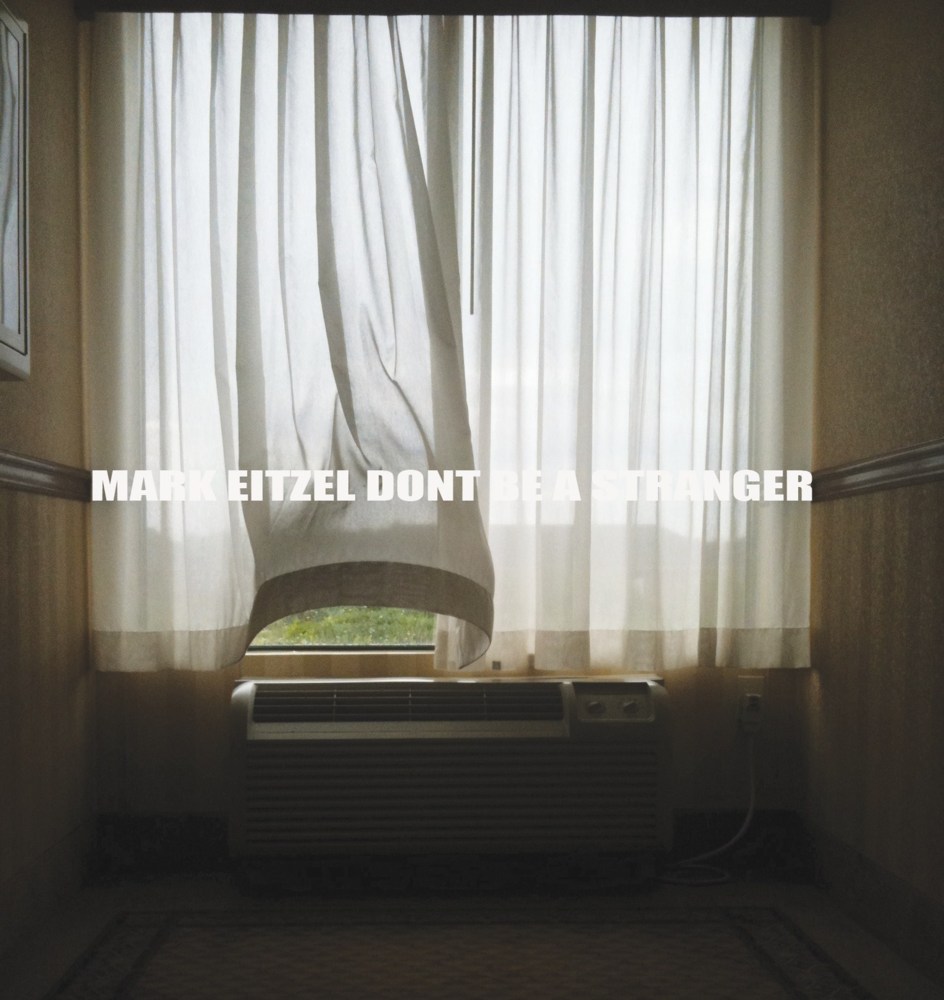
 View Artist