Song Meaning
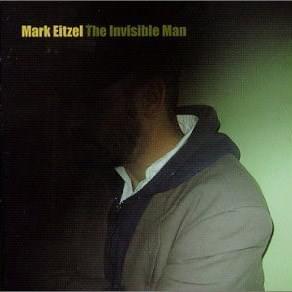
Mark Eitzel's "Shine" is a raw, almost desperate plea for recognition and authentic connection amidst a world of masks and carefully constructed personas. The opening lines immediately establish the yearning at the song's core: to be seen, to matter, to transcend the role of the perpetually heartbroken. The costume prize becomes a metaphor for acceptance, a validation sought not for superficial reasons, but for the chance to finally register as a 'someone' in the eyes of another. The stark realization that the most likely costume is the Invisible Man underscores the feeling of profound isolation that permeates the song. He sees himself as unseen and unheard, in direct contrast to the 'You' he is addressing. This sets up the central tension of the song: The singer craves authenticity and vulnerability while the subject seems to hide behind various guises.
The lyrics depict the object of the singer’s affection as someone adept at playing roles, a chameleon-like figure who nonetheless remains trapped in a cycle of self-deception. References to 'a whispering ghost that floats like spilled milk' and 'rubber frown' suggest a being devoid of genuine emotion, perhaps even haunted by something. The singer sees through these disguises, recognizing the artifice inherent in 'dress-up' where the same clothes are always worn. This observation heightens the singer's own sense of vulnerability; he feels foolish attempting to play along with these charades when his true desire is to expose the truth, to 'shine a light.' The desire to shine a light into someone's eyes is to reveal, to illuminate their true self.
Ultimately, "Shine" explores the psychological defenses we erect to protect ourselves from pain and vulnerability. The lyrics delve into the reasons behind these constructed realities, suggesting that the subject's mask is not worn out of malice, but out of a deep-seated fear of exposure. The lines about the 'mask so ugly that no one would ever ask about your life story' poignantly capture this desire to remain hidden, to avoid the risk of judgment or further hurt. The cardboard box under the bed hints at a buried past, a source of pain that the subject would rather leave undisturbed. Eitzel contrasts this defensive posture with his own yearning for genuine connection. He rejects the 'scary disguise' and instead offers a light, a beacon of hope and honesty. The repetition of 'I wanna shine a light in your eyes' becomes a mantra, a desperate attempt to break through the barriers and reach the authentic person beneath the surface.
 View Artist