Song Meaning
The lyrics paint a picture of a cyclical, self-destructive attraction. The repeated "Shame, shame, shame, shame" immediately sets a tone of regret and inevitability, suggesting a familiar pattern the narrator can't escape. This isn't a new hurt; it's "that old flame" being reignited, hinting at a history of being drawn to someone who ultimately causes pain. The narrator feels powerless, acknowledging, "No way that I can win."
The central tension lies in the stark contrast between perception and reality. The object of affection is initially presented as an "angel from above," a "vision any man could love," embodying idealized beauty and desirability. Yet, this facade crumbles under scrutiny, revealing a "devil in disguise" beneath. This duality creates a potent sense of betrayal and disillusionment, where the allure is undeniable but the underlying danger is also recognized.
The most striking craft element is the relentless repetition of "Shame, shame, shame, shame." This isn't just a refrain; it's an incantation of self-reproach, emphasizing the narrator's awareness of their own weakness. The phrase "steal my heart again" underscores the feeling of being victimized by their own desires, reinforcing the idea that this is a recurring loss of control. The lyrics suggest a deep-seated inability to learn from past heartbreak, leading to a repeated surrender to a destructive force.
This song hits hard because it captures that agonizing feeling of knowing better but being unable to act on it. The writing doesn't shy away from the narrator's complicity, even as they lament their fate. The stark imagery of an angel hiding a devil, coupled with the resigned repetition of "shame," creates a visceral portrait of being trapped in a loop of painful attraction. It’s the sound of someone recognizing their own downfall and being unable to stop it.
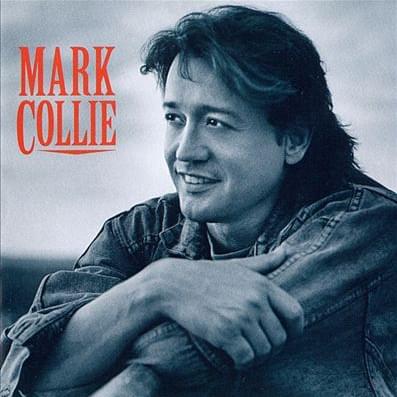
 View Artist