Song Meaning
Mariza's "Vozes Do Mar" isn't just a song; it's an auditory immersion into the Portuguese soul, a conversation with the Atlantic as a repository of national memory. The track opens with the sun setting over the water, painting a vivid image that quickly shifts to a deeper, more melancholic tone. The 'nervous, intense gold' of the scene soon gives way to a voice 'full of grief,' questioning the immense sea. This sets the stage for understanding the song meaning: the ocean isn't just water, but a living archive. The sea speaks of feasts and moonlit rides, conjuring images of wandering knights and enchanted ships resting in its depths. These are not just stories, but the echoes of Portugal's history, both glorious and sorrowful. It's a history filled with 'songs of epics' and 'yearnings of bitterness,' reflecting the bittersweet nature of national identity.
The lyrics analysis reveals the ocean's voice as multifaceted, embodying not only grandeur and hope but also underlying fears. This duality is crucial. The sea, a constant presence in Portuguese history, holds the weight of past triumphs and failures. The repeated questioning – 'Where does this voice come from, O friendly sea?' – seeks to understand the origin of this collective memory. The answer suggests the voice is that of 'an ancient Portugal,' yearning for Camões, the epic poet whose work immortalized Portugal's age of discovery. This reference isn't accidental; Camões represents the pinnacle of Portuguese artistic achievement and national pride, but also the inherent tragedy of ambition and loss.
Ultimately, "Vozes Do Mar" is a profound meditation on saudade, that uniquely Portuguese feeling of longing and nostalgia. Mariza uses her voice to channel the ocean's lament, connecting the listener to a deep sense of national identity and historical consciousness. The song suggests that the past is not simply gone but continues to resonate, shaping the present and influencing the future. The ocean, with its vastness and timelessness, becomes a metaphor for the enduring power of memory and the ongoing quest to understand who we are as a people.
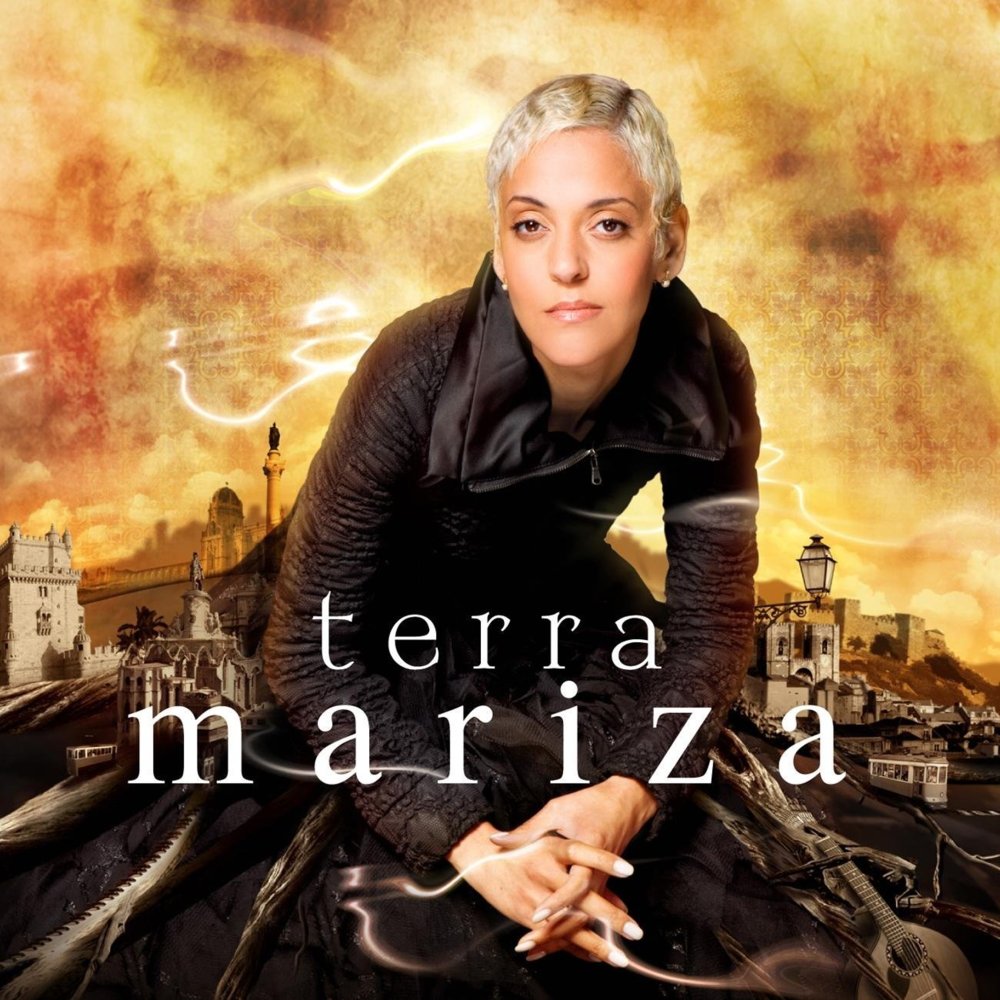
 View Artist