Song Meaning
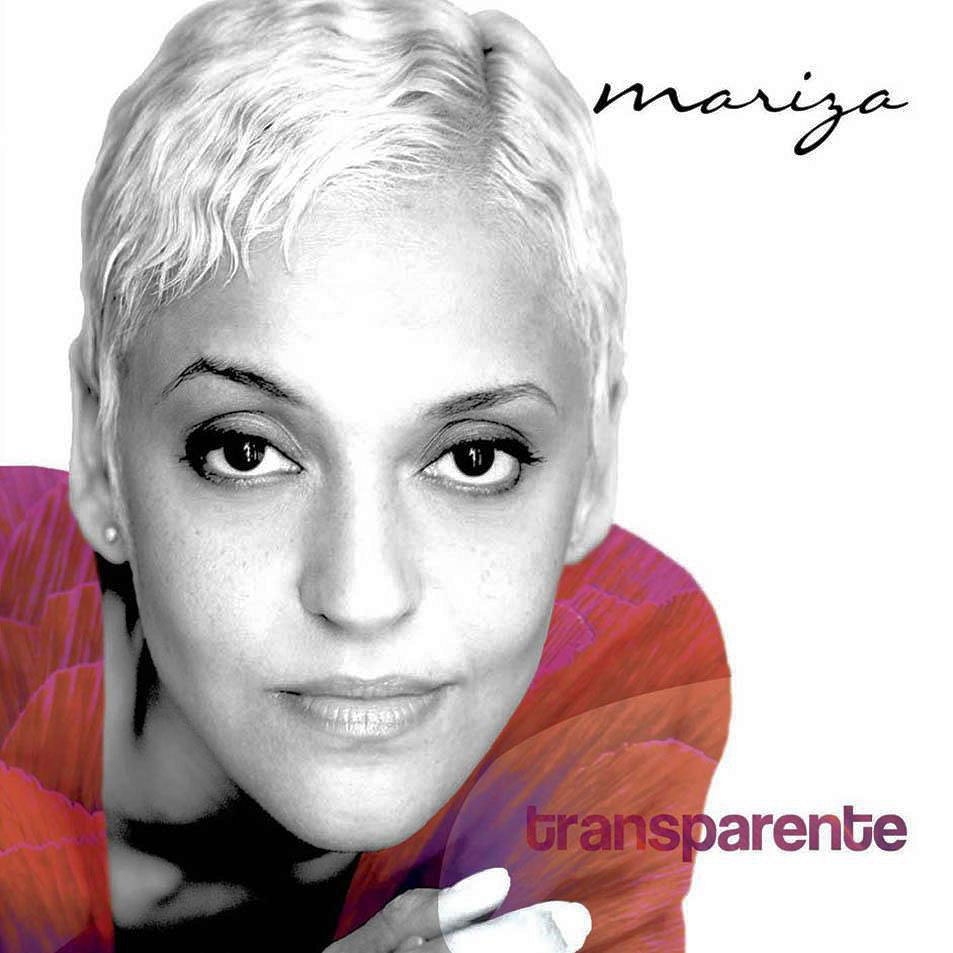
Mariza's "Toada do desengano" isn't just a song; it's a visceral portrait of love's cruel paradox. The fado icon doesn't simply sing about heartbreak; she embodies the agonizing dance between hope and despair, the very essence of *saudade*. The lyrics, steeped in the traditions of Portuguese fado, paint a landscape of emotional extremes: love is both "lived and hurt," a "fire-branded" experience that simultaneously fills and empties the soul. It is a love "out of control," a wild, untamed force leaving the singer in profound melancholy. The genius of the song meaning resides in its refusal to offer easy answers or resolutions. It's an honest acknowledgement of love's power to both elevate and destroy.
Mariza meticulously uses contrasting imagery to deepen the song's emotional complexity. Love is "torn apart," causing both rapture and agony, existing precariously "between mourning and joy." This duality suggests a relationship defined by its inherent contradictions, a push and pull that never finds equilibrium. The "disillusioned love," steeped in longing, highlights the lingering ache of what was or what could have been. The rawness of the emotion is only amplified by the melancholic tune. The singer seems trapped in a cycle of yearning, forever caught between the memory of love's sweetness and the reality of its pain.
Ultimately, "Toada do desengano" transcends a simple tale of romantic woe. It becomes a meditation on the nature of love itself: its capacity for madness, its inherent instability, and its enduring power to shape our lives. Mariza’s question, "What other love would I sing?" isn't rhetorical. It's a profound statement about the inescapable nature of love's influence, even in its most painful forms. The song suggests that even in disillusionment, love remains a defining force, the source of our deepest sorrows and, perhaps, our most profound artistic expressions.
 View Artist