Song Meaning
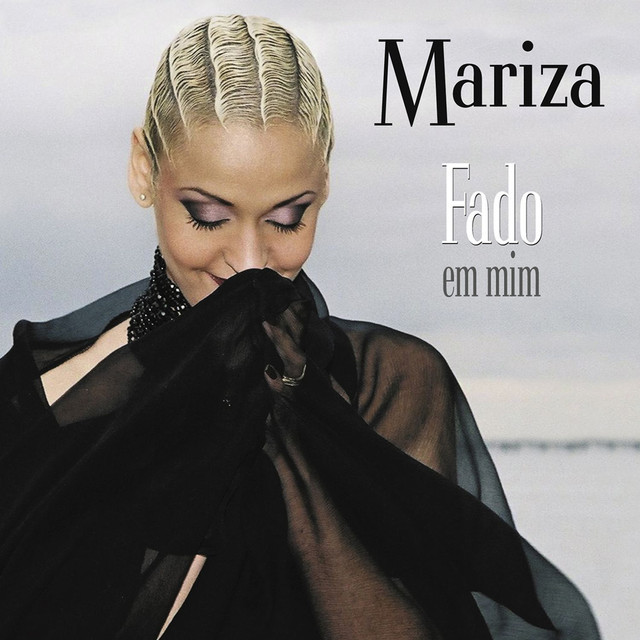
Mariza's "Oxalá" isn't just a song; it's an invocation, a whispered prayer carried on the winds of fado. The title itself, "Oxalá," a Portuguese expression derived from the Arabic "Inshallah," meaning "God willing," immediately sets a tone of hope tinged with a certain melancholic resignation. This isn't a fiery demand, but a heartfelt plea directed towards a higher power, or perhaps, allegorically, towards Portugal itself. The lyrics weave a tapestry of national identity and personal longing. The recurring phrase, "Não te entristeça meu fado" ("May my fate not sadden you"), suggests a deep awareness of the inherent sorrow within fado, a genre known for its themes of saudade (nostalgia) and the bittersweet realities of life.
The song’s imagery is striking. References to a "golden light," a "sword that you once raised," and being "born by the sea" evoke a romanticized, perhaps even mythical, vision of Portugal's past glory. This past is contrasted with a present state where that once-powerful sword is now "almost nothing," hinting at a decline or a loss of national strength and purpose. The "astro signo real" (royal star sign) suggests a destiny intertwined with the nation’s fate. Mariza isn’t merely singing about personal troubles; she’s lamenting the potential fading of her country's brilliance.
Ultimately, "Oxalá" becomes a cyclical prayer for national awakening. The lines "Devolve o meu anseio/Canto-te a flor da voz/O teu destino inteiro" ("Return my longing/I sing you the flower of my voice/Your entire destiny") portray the singer offering her voice, her very being, as a sacrifice or offering to Portugal’s potential resurgence. The final call to "Acorda Portugal" ("Wake up Portugal") is not an angry command, but a gentle, mournful urging, delivered with the profound emotional depth that defines Mariza’s artistry and the soul of fado itself. It’s a song about the burden of history, the weight of unfulfilled potential, and the enduring power of hope in the face of national and personal fado.
 View Artist