Song Meaning
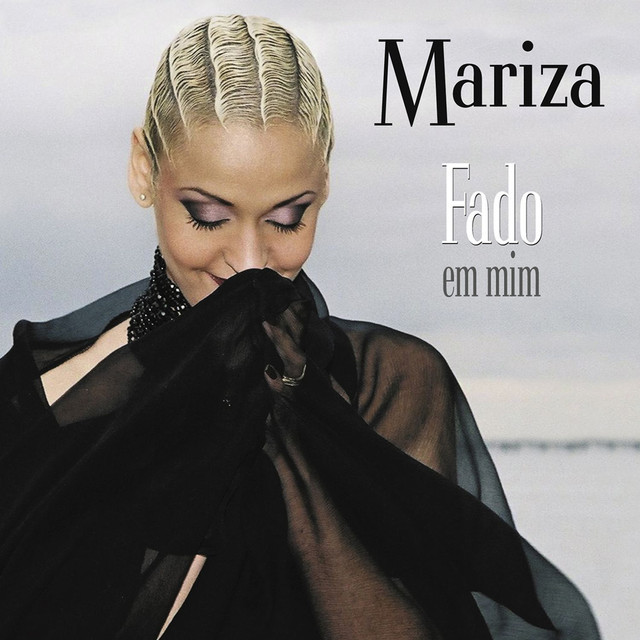
Mariza's "Our Souls Above The Earth" isn't just a song; it's a melancholic inheritance, a sonic portrait of shared sorrow passed down through generations. The fado tradition, to which Mariza belongs, thrives on saudade – a uniquely Portuguese flavor of longing and nostalgia. This track distills that feeling, suggesting it's not merely personal but a collective burden, "a destiny that binds us." The lyrics hint at a lineage of lament, where the sound of a guitar becomes a trigger, instantly unlocking a wellspring of grief. It's an admission that individual sadness is, in part, a reflection of the community's soul. The singer acknowledges that the sorrow carried is a direct inheritance from the people of her land. This acknowledgment is a profound moment of self-awareness.
The core of the song meaning lies in the tension between perceived tenderness and underlying bitterness. There's a deceptive comfort in succumbing to the sorrow, a siren song that offers solace. However, Mariza suggests that giving in only amplifies the inherent pain. The act of singing, then, becomes a means of managing, if not overcoming, this inherited sadness. It's a way to transform collective pain into something bearable, perhaps even beautiful. The guitar, often a symbol of passion and joy, becomes an instrument of catharsis, its "wail" mirroring the shared sorrow.
Ultimately, "Our Souls Above The Earth" explores the complex relationship between individual experience and collective identity. Mariza isn't simply expressing personal sadness; she's acknowledging the weight of cultural history, the unspoken grief that permeates a community. The repetition of "This sadness that I carry, I received it from you" emphasizes the cyclical nature of this inheritance. It's a reminder that we are all, to some extent, products of our environment, carrying the emotional baggage of those who came before us. The song becomes a poignant meditation on the enduring power of cultural memory and the ways in which sorrow can shape our individual and collective identities.
 View Artist