Song Meaning
Mariza's "Mi Fado Mio" isn't just a song; it's a visceral declaration of self, inextricably bound to the Portuguese musical tradition of fado. The lyrics, steeped in saudade (a profound longing), reveal a quest for identity that's both deeply personal and culturally resonant. The opening lines, "Traigo un fado en mi canto / Canto la noche hasta ser de día," immediately establish fado not merely as a genre, but as an intrinsic part of her being, a voice that persists through darkness until it births a new dawn. This isn't just performance; it's existence itself. The song meaning is a journey inward.
The emotional core of "Mi Fado Mio" lies in its exploration of absence and belonging. Lines like, "De mí sólo falto yo" (Only I am missing from myself), cut to the quick, suggesting a fractured self, a sense of being incomplete without fully embracing her fado identity. This search for wholeness is further emphasized by the recurring motif of searching for "mi fado," presented not as an external thing, but as an essential, almost spiritual component of her soul. The "llanto" (weeping) she brings from her village and the "nostalgia de mí" (nostalgia for myself) powerfully convey the melancholic undercurrent that defines fado.
Ultimately, "Mi Fado Mio" transcends simple genre classification. It's a complex meditation on heritage, self-discovery, and the redemptive power of art. The lyrics paint a vivid picture of an artist who finds solace and identity within the very music that embodies her cultural roots. It's a powerful testament to the idea that sometimes, to truly find ourselves, we must first embrace the traditions that have shaped us.
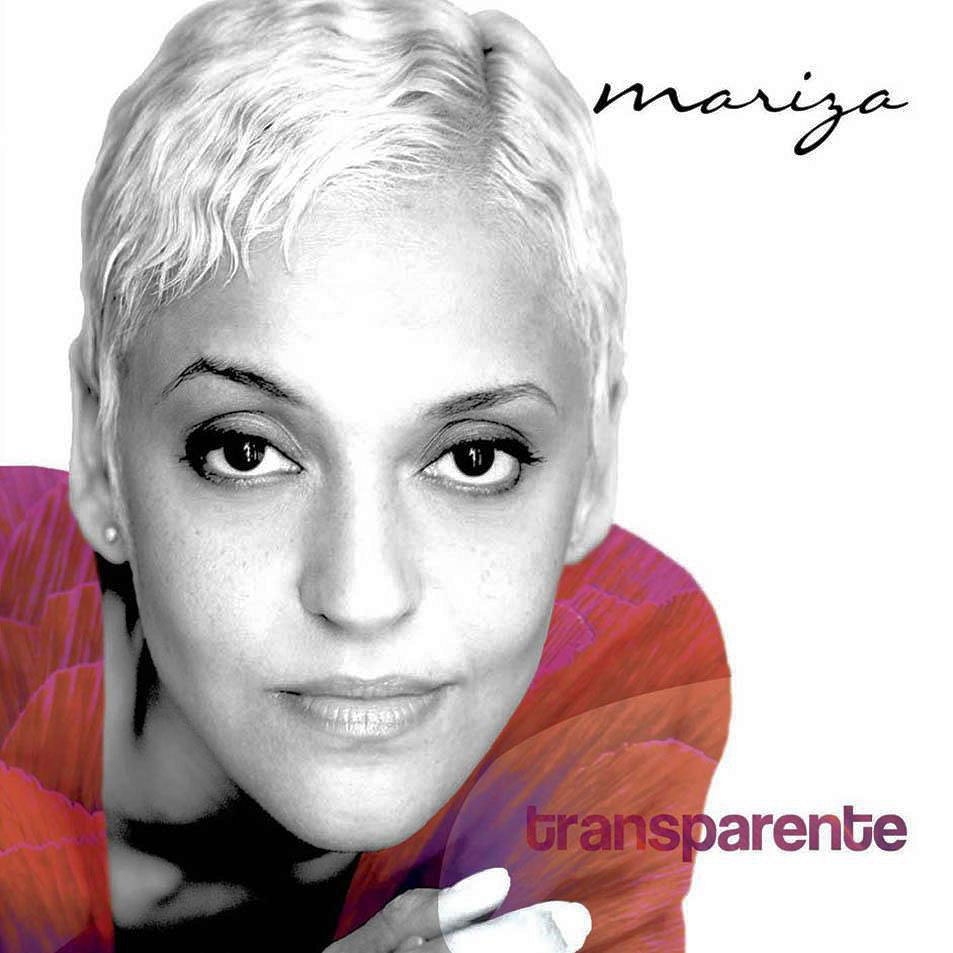
 View Artist