Song Meaning
Mariza's "Loucura" isn't just a song; it's a visceral declaration of artistic identity, steeped in the mournful tradition of Fado. The song meaning hinges on the symbiotic relationship between the singer, the poetic tradition, and the shared suffering that fuels their art. It's a testament to the transformative power of pain, bending towards something beautiful and cathartic. Mariza positions herself as a conduit, confessing "I live a sung poem / Of a fado that I invented," suggesting a personal evolution within the established form. She acknowledges the lineage, the poets who came before, but also claims ownership, shaping the Fado to fit her own soul. This creates a powerful tension between tradition and individual expression, the very lifeblood of any art form striving to remain relevant.
The lyrics speak directly to the poets, the "trunk of the same root," emphasizing the collective nature of their sorrow and inspiration. "This voice / So painful / Is the fault of all of you / Poets of my life" is a fascinating line, blurring the lines of blame and gratitude. The poets are both the source of the pain and the reason for the song's existence, inextricable from the artist's suffering and ultimate expression. Without them, she implies, there would be no Fado, no Mariza as we know her. It's a deeply codependent relationship, one built on shared experience and mutual artistic necessity.
The repeated refrain, "Chorai, chorai" ("Weep, weep"), isn't simply an invitation to sadness; it's a call to acknowledge the shared human condition, the pain that binds us together. The song culminates in the acceptance, even the embrace, of this perceived madness: "It's madness / I hear them say / But blessed is this madness / Of singing and suffering." It’s a defiant stance against a world that might not understand the artist's dedication to their craft, the willingness to pour their heart out, even if it means enduring pain. Ultimately, "Loucura" is a powerful exploration of the price of art, the beautiful madness of creation, and the enduring power of shared suffering to inspire transcendent beauty.
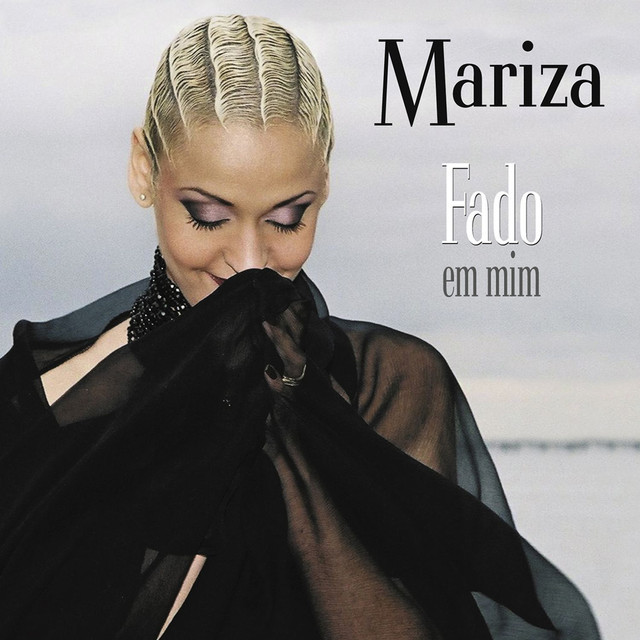
 View Artist