Song Meaning
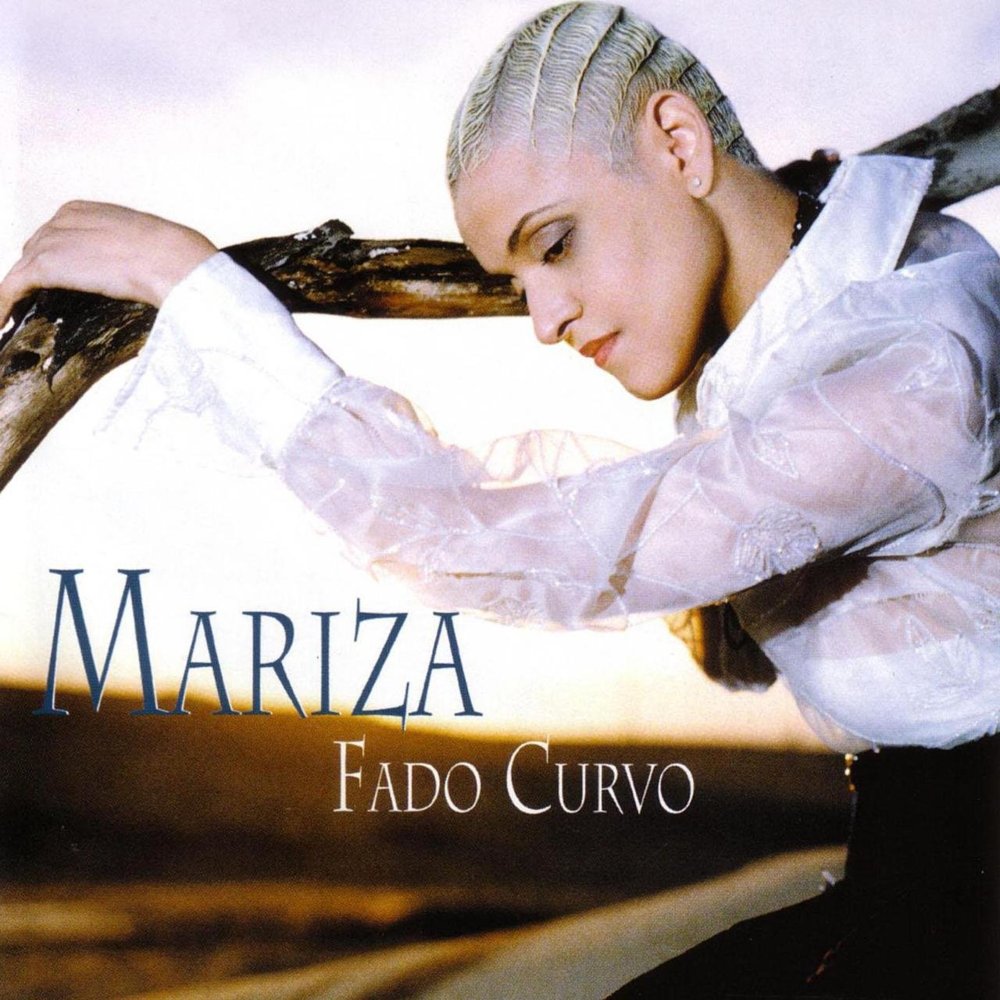
Mariza's "Idę Dalej (DJ Decks Remix - Instrumental)"—though presented here in an instrumental remix—draws its haunting power from the original fado lyrics, a lament steeped in both defiance and heartbreaking vulnerability. The song's core revolves around the image of a woman confronting her own mortality, dictating terms from beyond the grave. She anticipates her funeral, envisioning a former lover or acquaintance passing by. But instead of seeking grand gestures of mourning, she makes a singular, almost unsettling request: "Diz a terra que não coma / Os anéis do meu cabelo" ("Tell the earth not to eat / The rings of my hair"). This isn't a plea for eternal love; it's a demand for a specific, intimate part of her to be preserved, a fragment of her identity to escape the oblivion of death. The rings of hair become a potent symbol of memory and enduring essence.
The lyrics subtly reject conventional displays of grief. She explicitly states, "Já não digo que viesses / Cobrir de rosas meu rosto" ("I no longer say that you should come / To cover my face with roses"), dismissing outward shows of sorrow as insufficient or even performative. There's a quiet strength in this refusal, a self-possessed acceptance of her fate. The repeated lines, "Nem te lembro que beijasses / Meu corpo delgado e belo / Mas que sempre me guardasses / Os anéis do meu cabelo" ("Nor do I remind you to kiss / My slender and beautiful body / But that you always keep / The rings of my hair"), underscore this prioritization. It's not physical intimacy or romanticized mourning she desires, but the safeguarding of a personal relic.
The instrumental remix, stripped of Mariza's vocal delivery, paradoxically amplifies the song's emotional weight. The absence of her voice forces the listener to confront the stark imagery and the inherent tension within the lyrics. The haunting melody, combined with the driving rhythm of the remix, creates a sense of urgency and longing. It becomes a meditation on memory, loss, and the enduring power of small, seemingly insignificant objects to carry profound meaning long after we are gone. The 'rings of hair' transform into a universal symbol of what we choose to leave behind, the fragments of ourselves we hope will resonate in the world even in our absence.
 View Artist