Song Meaning
The lyrics paint a surreal, almost dreamlike scene where the narrator observes a character named Mary and her "devil-daughter." The opening lines about "yellow lights" and shadows suggest a transition or a moment of clarity, but this is quickly juxtaposed with a plea for help to make someone "walk away again." This sets up an immediate tension between illumination and escape.
The central conflict appears to revolve around Mary and her daughter, with the narrator expressing a desperate plea, "Oh Mary, don't you die." This plea is directly linked to "the color of her eyes," implying a deep, perhaps fatal, connection or consequence tied to this specific feature. The imagery shifts from "blue, the color of the water" and "drinking rubies" to "green, the color of the grasses" and "red, the blood inside the old tree," creating a vibrant, yet ominous, palette that underscores the escalating stakes.
The repeated invocation of colors – yellow, blue, green, red, grey – acts as a structural anchor, but also as a symbolic language. The "yellow lights" are "free and gladly" illuminating the past's "shadow grey," while the "red" of the "blood inside the old tree" introduces a stark, visceral element. The contrast between the natural imagery of "grasses" and "water" and the more violent "rubies" and "blood" suggests a struggle between life and a darker, potentially destructive force, perhaps embodied by Mary's "devil-daughter."
This lyrical landscape is effective because it creates a potent emotional atmosphere through vivid, if abstract, imagery and a sense of urgent, unfulfilled narrative. The repetition of the plea for Mary to live, tied to the specific detail of her eyes, grounds the fantastical elements in a raw, human fear. The invitation to "come a-riding in the fall with me" offers a fleeting sense of companionship or shared fate amidst the unfolding drama, leaving the listener with a lingering sense of unease and unanswered questions.
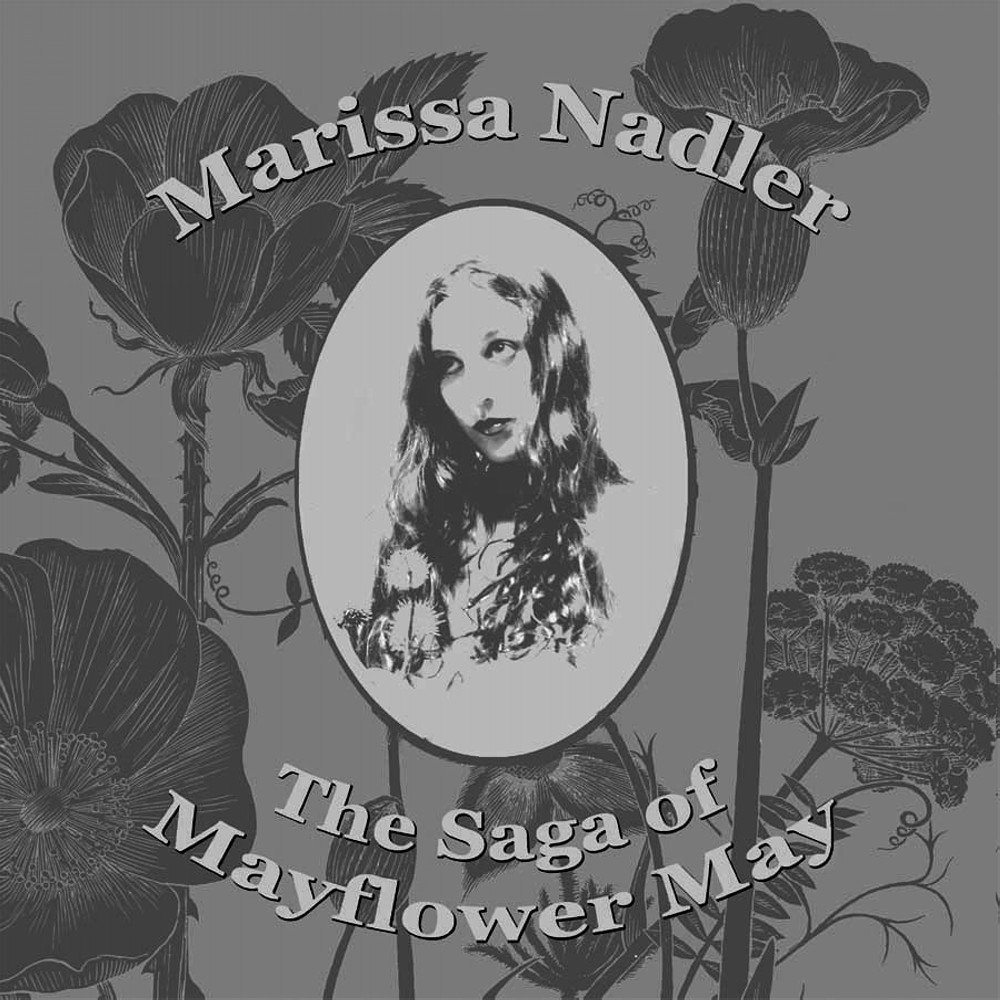
 View Artist