Song Meaning
The lyrics paint a stark picture of loss and lingering attachment. The opening lines immediately establish a sense of finality, with the narrator declaring they "died when you left." This dramatic statement is amplified by the external validation of the departed: "Everyone said you were the righteous one." The narrator's world has shrunk to solitary walks and a deep, almost possessive, connection to their home, even down to the "basement with my childhood charms," suggesting a retreat into the past.
The chorus, however, introduces a jarring shift with the repeated refrain, "We are coming back / 'Cause everything is here." This phrase feels less like a triumphant return and more like a desperate assertion. The "everything" that is "here" could be the remnants of the past, the shared history, or perhaps the very source of the narrator's pain. The repetition of "We" is particularly intriguing, hinting at a collective identity or a desperate attempt to reclaim a lost partnership, even if the "you" is absent.
The second verse deepens this sense of unresolved grief. The "righteous path" echoes the earlier "righteous one," reinforcing the idea that the departed was perceived as morally or spiritually superior. Yet, the narrator actively creates distance: "So I can miss you a little every day." This deliberate act of longing suggests a complex relationship with memory, where absence is cultivated to keep the connection alive. The "house where we lost our way" becomes a focal point, a place of shared failure that the narrator revisits, perhaps seeking understanding or closure that remains elusive.
Ultimately, the effectiveness of these lyrics lies in their portrayal of a deeply personal struggle with absence. The contrast between the narrator's solitary existence and the insistent, almost defiant, chorus creates a palpable tension. The repeated assertion that "everything is here" feels like a coping mechanism, a way to anchor oneself in a world that has fundamentally changed, even as the narrator acknowledges the distance and the past "lost our way."
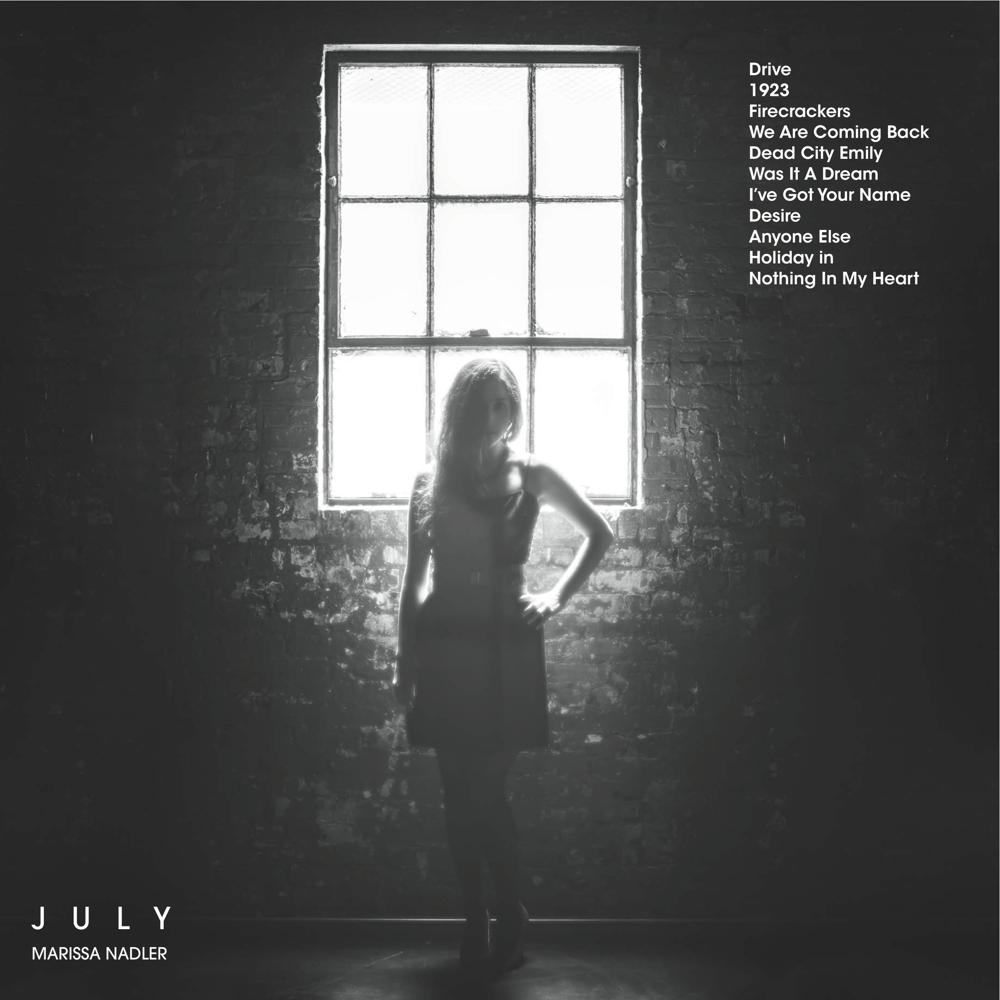
 View Artist