Song Meaning
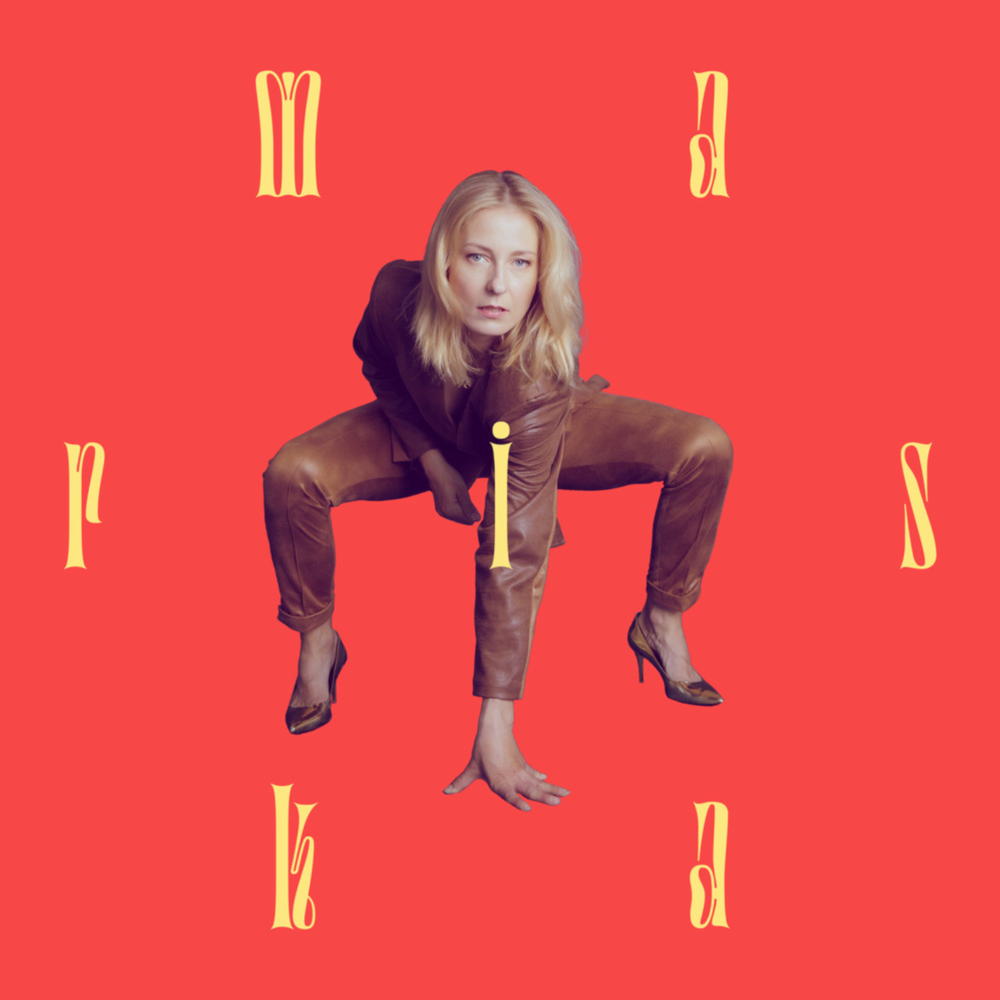
Mariska's "Kiitos"—Finnish for "thank you"—unpacks a profound gratitude that transcends mere politeness, delving into the complex tapestry of a deeply felt relationship. The song, repetitive in its core message, becomes almost mantra-like, each "Kiitos" resonating with layers of shared experience and emotional weight. The opening lines immediately establish a debt of self-discovery: "For forcing me to look in the mirror." This isn't a superficial thank you; it's an acknowledgement of someone who catalyzed profound personal growth, even if the process was uncomfortable. The lyrics then cascade through a spectrum of shared moments, from the sublime ("Nautinnosta, kyynelistä, onnen sekä kivun" - "Pleasure, tears, happiness and pain") to the mundane, all imbued with significance. This is gratitude for a life lived together, in its totality.
The song acknowledges both the fulfillment and the disappointments inherent in human connection. Promises made and broken, hopes realized and deferred, are all folded into the expression of thanks. There's a raw honesty in recognizing the imperfections, the "rikotuista ja" ("broken and"), but still finding value in the intention, in the shared vulnerability. Even the brush with mortality ("Kuolema meit kulman takaa katseli" - "Death watched us from around the corner") is met with gratitude, both for the other person's presence and for the comfort provided. The speaker expresses gratitude for protection and caring.
Ultimately, "Kiitos" is a meditation on the power of simple appreciation. The lyrics touch on the bittersweet nature of love, referencing a cancelled wedding and the absence of rings, yet declaring an indelible connection: "Sormuksettakin oot sinetti mun sydämmessä" ("Even without rings, you are a seal in my heart"). This speaks to a bond that transcends conventional markers of commitment. The repeated confession, "Liian harvoin sitä sanaa lausuin sulle" ("Too rarely did I say that word to you"), underscores a universal regret – the failure to express gratitude often enough. Mariska transforms a common word into a potent expression of love, loss, and enduring connection, reminding us that the most profound magic often lies in the simplest of sentiments.
 View Artist