Song Meaning
The lyrics paint a vivid picture of a pervasive, all-consuming sadness, directly linked to the color blue. This isn't just a passing mood; it's described as "the color of my pain," "the color of all colors," and "the bluest of all blues." The narrator feels trapped, stating, "I have sold my soul to blue," and is "addicted to blue up to my hair." This intense association suggests a deep emotional state where blue has become synonymous with their very existence and suffering.
The core tension arises from a "cruel absence" and the resulting torture that invades the narrator's senses. This absence is so profound it forces a premature end to their youth, "leaving my adolescence." The repetition of "Vivre en bleu" (To live in blue) emphasizes this inescapable condition. The lyrics suggest a profound loss, possibly of a person named Célestine, whose "suffering" the narrator now carries "every day of my existence."
The most striking craft element is the personification of blue as an active force, almost a drug or a prison. It's an "ink that spreads" in a "sad and glacial azure," and the narrator is "possessed" by it until "your deliverance." The imagery shifts from natural elements like the "sky, the sea, and the night" to a more visceral, almost animalistic suffering, "the suffering of an animal." This elevates the color from a simple descriptor to a tangible, oppressive entity.
This writing is effective because it uses the color blue not just as a metaphor for sadness, but as a literal, overwhelming environment. The narrator isn't just sad; they are submerged in it, their senses dulled and their soul seemingly lost to its depths. The specific mention of Célestine and the burden of her suffering grounds the abstract concept of "living in blue" in a concrete, relational pain, making the emotional weight palpable and deeply resonant.
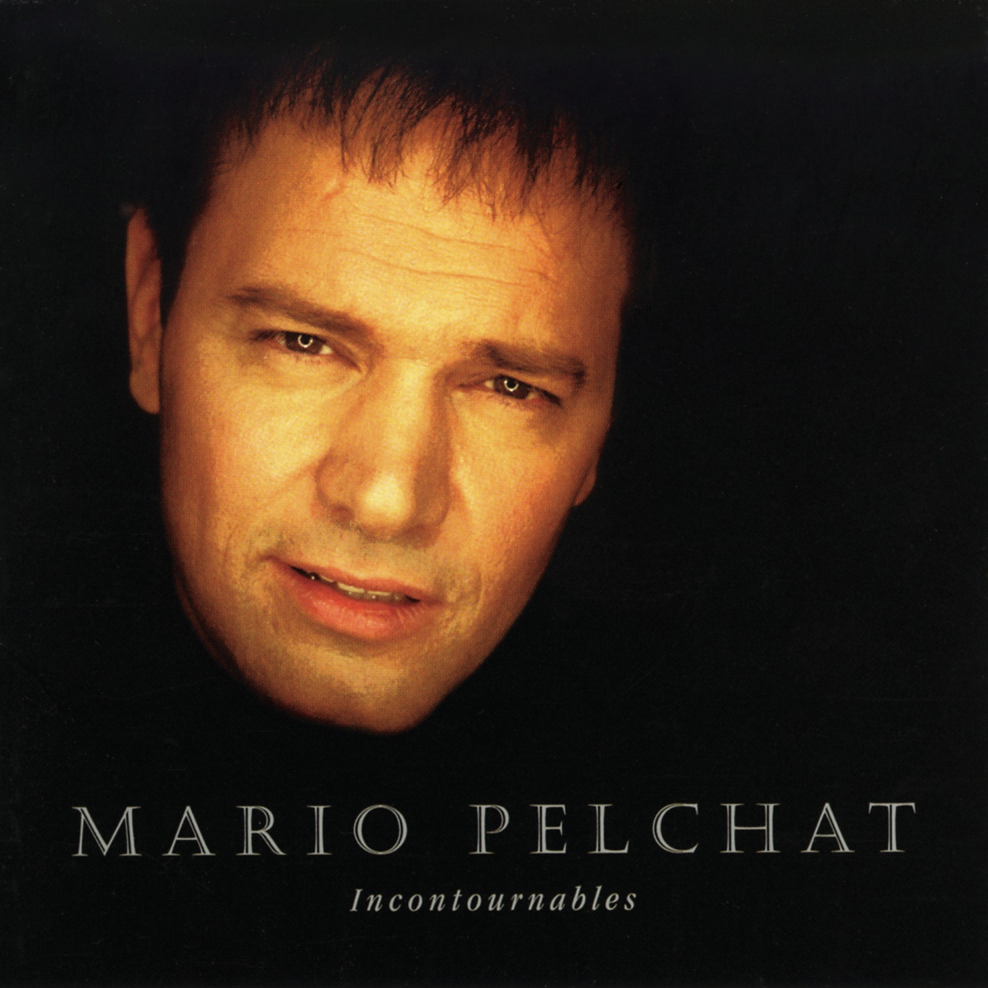
 View Artist