Song Meaning
The lyrics paint a vivid picture of escape, a desperate yearning for a place beyond the confines of current reality. The repeated phrase "Ailleurs" (Elsewhere) acts as a mantra, a promise of a sanctuary "Loin de notre ombre" (Far from our shadow) and "Où rien n'est sombre" (Where nothing is dark). This isn't just a physical relocation; it's a desire for a complete emotional reset, a space where time itself bends to accommodate their connection, "Là où le temps a le temps d'être à nous encore" (Where time has time to still be ours).
The central tension lies in the contrast between the bleakness of the present and the idealized future being sought. The narrator explicitly states "Où rien n'est sombre" and later, in the refrain, "Où les chagrins n'existent pas" (Where sorrows don't exist). This stark dichotomy fuels the urgency of the plea, "Partons d'ici" (Let's leave here), emphasizing the desire to leave behind a world defined by its darkness and pain.
The most striking aspect is the almost childlike faith in love as the sole architect of this new world. The "châteaux d'ivoire" (ivory castles) will be theirs, guided only by "l'amour" (love). This romantic idealism is further underscored by the intimate desire to hear the partner confirm this shared dream, "Dis-moi que ça te chante" (Tell me you're up for it), highlighting the collaborative nature of this imagined escape.
Ultimately, the power of these lyrics stems from their raw, unadulterated longing. The simple, direct language and the insistent repetition of "Ailleurs" create an emotional resonance that speaks to a universal human desire for a perfect haven, a place where love conquers all and sorrow is a forgotten memory. The final assurance, "J'aurai sur le cœur / Ta chaleur" (I will have on my heart / Your warmth), grounds this fantastical escape in a tangible, comforting presence.
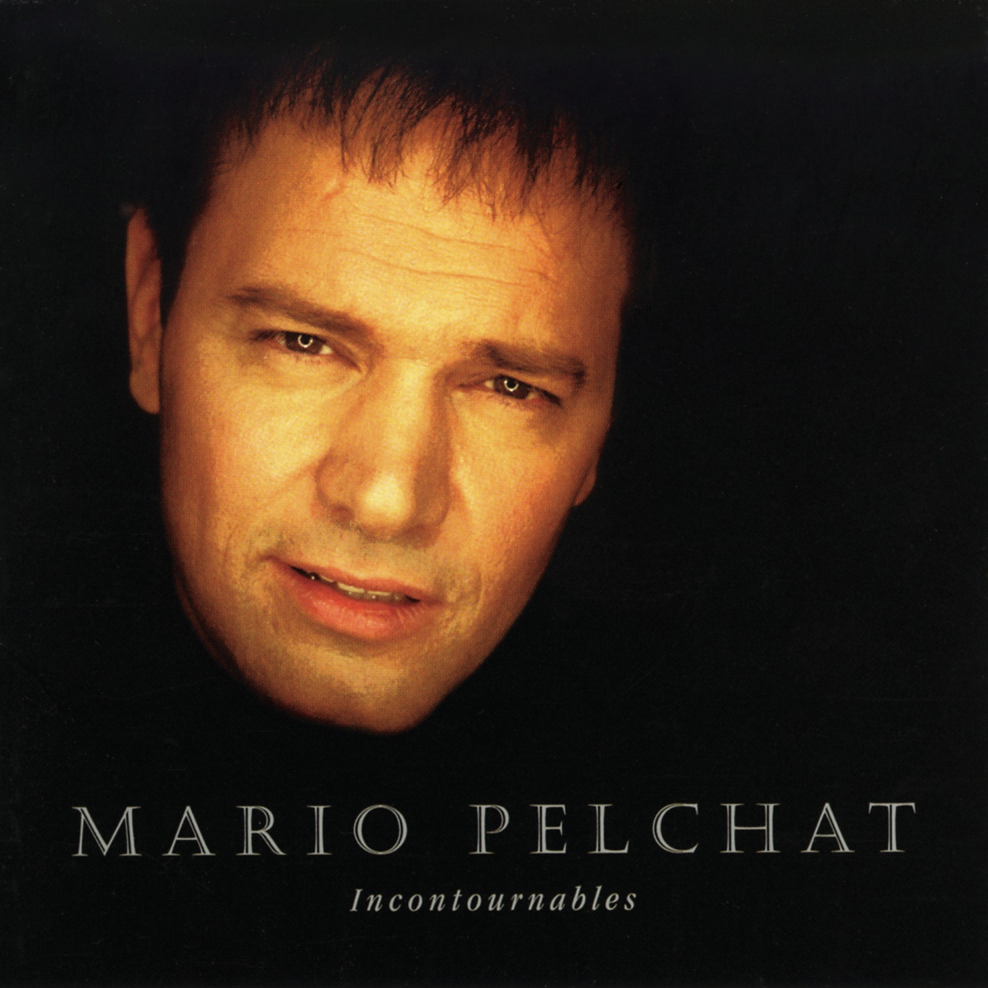
 View Artist