Song Meaning
The lyrics paint a picture of immediate, almost overwhelming attraction. The narrator is captivated by a simple glance, a few moves, and the anticipation of what's to come. There's a sense of urgency, with "petardi" (firecrackers) bursting, suggesting a sudden, explosive feeling that makes delaying the inevitable seem impossible. The initial focus on small details like "scarpe basse" (low shoes) and "calze a rete" (fishnet stockings) grounds the fantasy in tangible, alluring imagery.
The central tension lies in the narrator's conflicting feelings about this intense desire. The repeated refrain, "Sesso e amore e tu / Sesso e amore ed io / Io non ne posso più" (Sex and love and you / Sex and love and I / I can't take it anymore), highlights a feeling of being consumed. This isn't just mild interest; it's an experience that's almost too much to handle, yet paradoxically, the more exhausted the narrator becomes, the more appealing the object of their desire gets ("più sono stanco / Più tu mi piaci di più").
This paradoxical dynamic is the core of the song's craft. The lyrics juxtapose the physical act of moving up and down stairs ("Sali le scale / Scendi le scale") with a rising anxiety and physical discomfort ("l'ansia è forte / Quasi sto male"). Yet, this discomfort fuels the desire, especially when the beloved is seen "Senza gonnella" (without a skirt), leading to a primal, all-consuming "sangue ribolle" (blood boils). The writing effectively uses this push-and-pull to show how intense attraction can override rational thought and even physical well-being.
Ultimately, the effectiveness of these lyrics comes from their raw, unvarnished portrayal of desire's overwhelming power. The narrator isn't just attracted; they are being swept away, experiencing a physical and emotional intensity that borders on agony but is undeniably compelling. The simple, direct language and the escalating descriptions of physical reaction make the narrator's plight feel visceral and immediate.
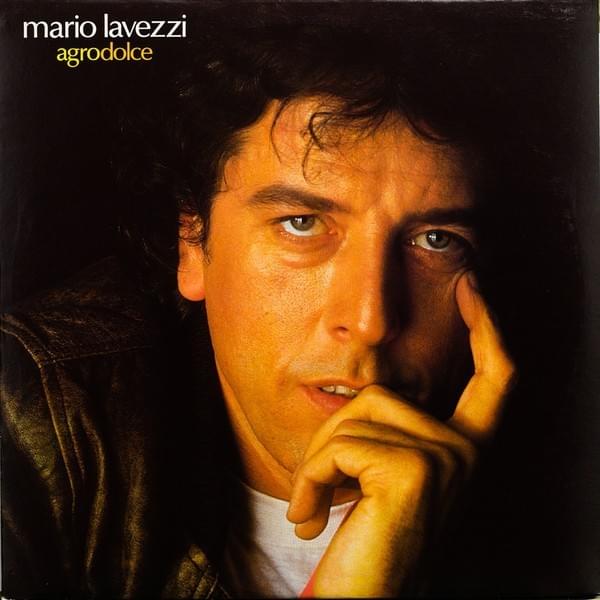
 View Artist