Song Meaning
The lyrics paint a vivid picture of a profound awakening, a moment where the world and the self are suddenly perceived with newfound clarity and beauty. The opening lines, "Il risveglio avrà ali grandi" (The awakening will have large wings), immediately establish a sense of liberation and expansive possibility. This isn't just a gentle stirring, but a powerful ascent, suggesting a dramatic shift in perspective where past fears, like "Scogli ripidi che non fanno più paura" (steep rocks that no longer cause fear), lose their power. The sky itself seems to improve, reflecting an internal state of peace and renewed hope, as the narrator realizes they are "non è più solo" (no longer alone).
The core of the song lies in this transformation from a state of stagnation or fear to one of vibrant aliveness and self-acceptance. The recurring image of "Un veliero bianco in fondo all'anima" (a white sailboat at the bottom of the soul) suggests a pure, guiding force within, now free to navigate. This internal journey is mirrored by the external world, which becomes "splendida" (splendid) and promises that "tutto quanto andrà un po' meglio" (everything will go a bit better). The idea of reaping what one sows, "Si raccoglie quello che si semina," reinforces a sense of agency and the positive outcomes of this internal shift.
The craft here is in the seamless blending of internal and external landscapes. The clarity of this new state is "chiaro come il lampo di una lucciola" (clear as the flash of a firefly), a fleeting yet brilliant illumination. This comparison captures the suddenness and intensity of the realization. The narrator anticipates a "sorriso nuovo" (new smile) that they will "regalerò per sentirmi vivo" (give away to feel alive), highlighting how this internal renewal manifests outwardly and creates a reciprocal sense of vitality. It’s a beautiful articulation of how inner peace can make the world, and one's experience of it, fundamentally brighter.
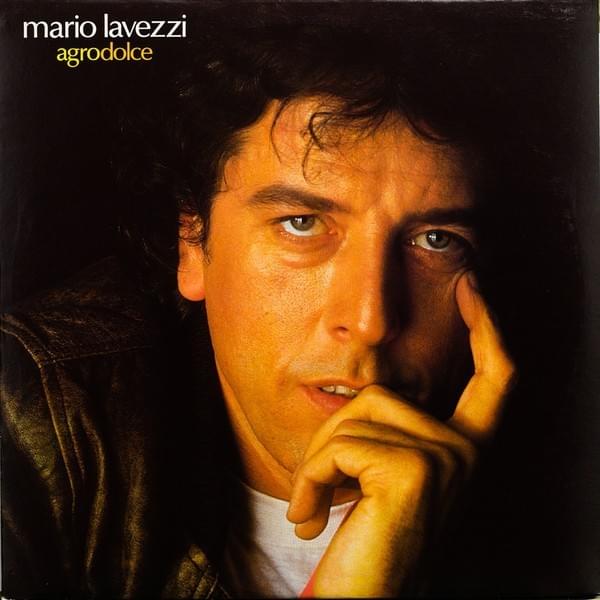
 View Artist