Song Meaning
“Setembro” opens with the vibrant energy of spring, suggesting a time when "todas as fronteiras querem evaporar" – all boundaries want to dissolve. This initial burst of optimism quickly introduces a crucial caveat: a warning that failing to "se encarar com amor" (face oneself with love) leads to becoming a "ovelha no bolso de um pastor" (sheep in a pastor's pocket). It’s a stark image of lost autonomy and manipulation.
This tension between potential and peril deepens as the lyrics shift to September, a month where "tudo tenta se superar" (everything tries to overcome itself). Yet, the caution persists, linking a lack of self-love to making mistakes "na esteira do rancor" (in the wake of resentment). The lyrics suggest that genuine self-acceptance is the bedrock against both external control and internal bitterness, framing it as essential for life to truly "jorrar" (gush) with its full potential.
Perhaps the most striking craft element is the sharp contrast presented later: "Tudo no vermelho e sem luz / Mas se alguém pergunta / Dizemos tudo azul." This paints a vivid picture of hidden struggle and societal pretense, where reality is dire but a facade of normalcy is maintained. This cynical observation is immediately subverted by the image of a "brasileira" from Maré on TV who "diz ser feliz e é," offering a powerful counterpoint of authentic happiness found amidst challenging circumstances, unburdened by the need to pretend.
Ultimately, the lyrics are effective because they weave together personal accountability with a grand, repeated vision for a better world—"Um mundo sem fome mais / Sem opressão." By contrasting the individual's need for self-love with a collective yearning for justice, the song creates a nuanced commentary on what it truly means to thrive.
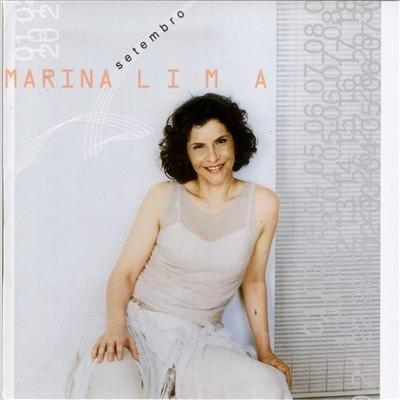
 View Artist