Song Meaning
The lyrics open with a somber promise: "Se você não me quiser / Eu vou respeitar." It's a statement of resignation, yet immediately undercut by a profound, hidden devotion. The speaker grapples with the potential loss of a relationship. This isn't just a breakup; it's an internal unraveling.
The core tension lies between this outward acceptance and a fierce, unyielding inner world. The speaker likens themselves to "alguém que apaga a luz / Mas tem seu altar / No escuro." This striking image captures a love that persists, secretly worshipped, even when denied the light of reciprocation. It's a powerful confession of a devotion that transcends circumstance, existing in the shadows of an unacknowledged heart.
This internal struggle manifests as a profound identity crisis. The speaker laments, "Já não sei mais quem eu sou," their sense of self seemingly dissolved or defined by the other. The haunting question, "a pessoa / Refletida / No espelho / Dos seus olhos / Por onde foi que entrou?", suggests a self that emerged from the beloved's gaze, now lost without it. This isn't just about love; it's about the very fabric of one's being intertwined with another.
The lyrics are effective because they peel back layers of stoicism to reveal raw vulnerability. Each repetition of "eu vou respeitar" is followed by a "Mas" that exposes deeper feelings, from a solemn "Eu juro" to a more emphatic "No duro," and finally a desperate declaration: "saiba que sou um homem só / E que o meu amor / É puro." The final, poignant memory of a shared "futuro pra nós" delivers a gut punch, revealing the true cost of this potential rejection: not just a relationship, but a future that was once promised by the very person now considering leaving.
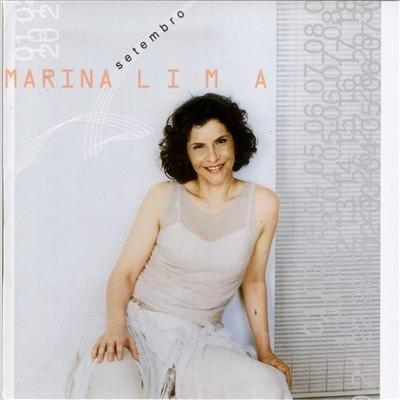
 View Artist