Song Meaning
“Memória Fora de Hora” immediately plunges into a poignant scene of longing. The speaker is "fazendo amor de memória," a bittersweet substitute for physical presence. Their beloved is far away, residing in Rio. This opening sets a tone of deep, almost resigned, yearning.
The core tension lies in the phrase "Como meu amor faz hora / Faz hora que faço amor de memória." It suggests the lover is taking their time, or perhaps simply "making time" pass, while the speaker has been living in a state of remembered intimacy for an extended period. This temporal disconnect amplifies the ache of physical separation, turning memory into a present-tense act.
The lyrics cleverly weave wordplay into the narrative, particularly with "Rio para o amor." This line simultaneously names the city where the love resides and suggests the speaker "laughs for love," adding a layer of complex emotion—perhaps a wistful smile at the absurdity or beauty of their situation. The iconic imagery of "Cidade entre morro e mar / E mar e morro" grounds this abstract longing in a vivid, almost tangible sense of place, making the distant city feel both real and impossibly far.
Ultimately, these lines are effective because they articulate the profound ache of "saudade" with such elegant economy. The repetition of the city's landscape emphasizes the unchanging backdrop where the lover is, contrasting with the speaker's internal, memory-driven world.
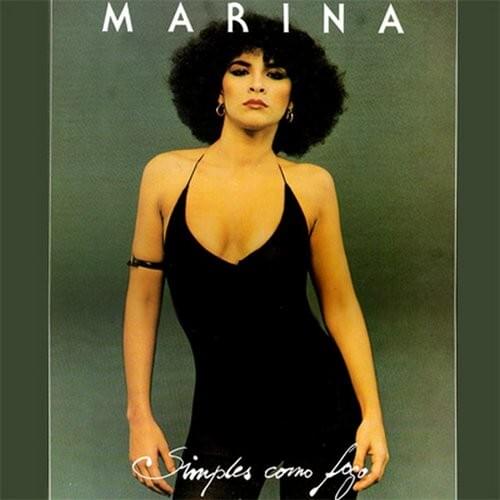
 View Artist