Song Meaning
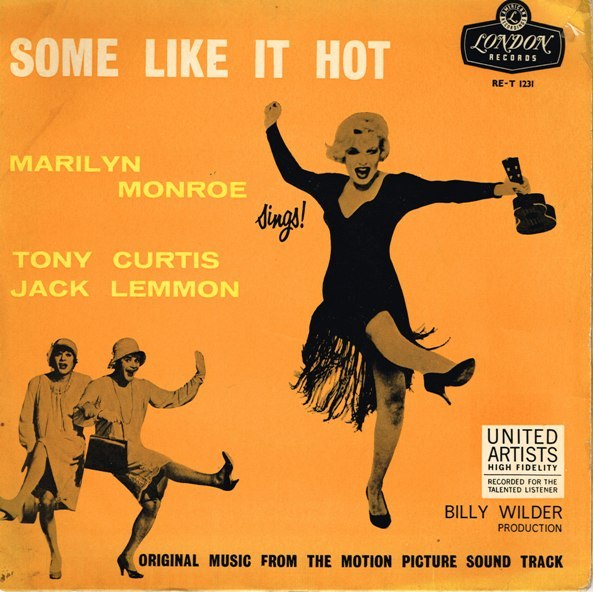
Marilyn Monroe's "Some Like It Hot" isn't just a catchy tune; it's a masterclass in playful seduction, delivered with her signature breathy innocence. The song's surface is pure fun—a flirty admission of being overwhelmed by desire. But beneath the surface simmers a clever commentary on female agency and the performance of sexuality. Monroe, often typecast as the naive blonde, subtly reclaims control by openly embracing her desires. The "fever" and "conflagration" aren't inflicted upon her; she acknowledges them, owns them, and even seems to relish the chaos. It's a wink to the audience, a knowing acknowledgment that she's in on the game. The heat isn't just physical; it's the electricity of mutual attraction, a dangerous dance where both parties risk getting burned.
Lyrically, the song sets up a fascinating push-and-pull between 'old school' coolness and fiery passion. She claims she'll "play it real cool," a nod to societal expectations of female demureness. Yet, the moment she's kissed, she erupts "like a four alarm fire." This contrast highlights the tension many women experience between presenting a composed facade and acknowledging their true desires. The lyrics cleverly use fire as a metaphor for both destruction and pleasure, suggesting that love, particularly passionate love, is inherently risky. The line "Love burns you up the most / Like it or not" acknowledges this potential for pain, but the ultimate message is one of joyful surrender. She chooses to embrace the heat, the risk, the overwhelming sensation of desire.
The genius of "Some Like It Hot" lies in its ability to be both utterly frivolous and quietly subversive. Monroe isn't just singing about wanting to be desired; she's singing about enjoying the feeling, about actively participating in the game of seduction. The repetition of "Some like it hot" becomes an anthem of sorts, a celebration of embracing one's desires, even if those desires are considered dangerous or unconventional. It's a testament to Monroe's enduring appeal: she could embody both the object of desire and the knowing subject, making her a far more complex and compelling figure than her public image often suggested. This song analysis reveals that "Some Like It Hot" is more than just a song, it's a statement of personal empowerment.
 View Artist