Song Meaning
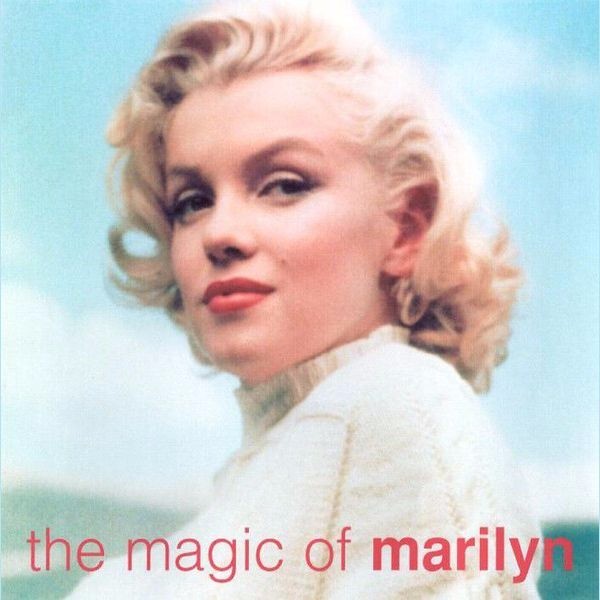
Marilyn Monroe's rendition of "Down In The Meadow" isn't just a children's ditty; it's a carefully painted, deceptively simple allegory of life's cyclical nature, filtered through the lens of naive Americana. The song's meaning resides in its symbolic representation of the seasons as personified figures, each wind embodying a stage of life and its corresponding emotional landscape. Mr. South Wind's sigh ushers in the tentative hope of spring, while Mr. West Wind's howl signifies the lazy contentment of summer. The shift to Mr. East Wind's shout reflects autumn's vibrant but melancholic decline, culminating in Mr. North Wind's arrival, which blankets the world in winter's slumber and quiet anticipation.
The recurring motif of the meadow itself serves as a microcosm of existence, a contained space where these seasonal dramas play out. It’s a place of both growth and decay, mirroring the human experience. Even seemingly minor characters like Old Lady Blackbird and the scarecrow contribute to this tapestry. The blackbird's flirtation and the scarecrow's silent waving introduce an element of playful, almost absurdist, romance amidst the grander seasonal shifts. The moon, a constant observer, casts its "magic of June" suggesting an idealized, romanticized perspective on the passage of time and the fluttering of hearts.
Viewed through a psychological lens, "Down In The Meadow" resonates with the Jungian concept of archetypes and the collective unconscious. The wind gods, the fertile meadow, the ever-watchful moon – all tap into primal human associations with nature and the rhythms of life. Monroe's delivery, despite its apparent simplicity, carries a subtle undercurrent of wistful awareness, hinting at the bittersweet understanding that accompanies the inevitable turning of the seasons and the acceptance of life's inherent impermanence. It's a song about finding beauty and solace in the cyclical patterns of existence, even as we're carried along by their inevitable flow.
 View Artist