Song Meaning
Marilyn Martin's "I Never Knew You" isn't just a song; it's a raw, vulnerable plea for divine acceptance. It plunges into the depths of existential longing and the fear of ultimate rejection. The lyrics depict a world populated by "restless hearts" blaming external forces for their pain, hinting at a universal human tendency to deflect responsibility and avoid confronting deeper spiritual needs. Martin contrasts this with the possibility of finding solace and unwavering love through faith, suggesting that true redemption lies in acknowledging a higher power. The "untarnished blood" line clearly alludes to Christian sacrifice, painting a picture of grace freely offered. The song subtly challenges listeners to examine their own spiritual standing, asking if they are truly known and connected to the divine. The song's meaning hinges on that potent question: will we be recognized, or will we hear those devastating words?
At the core of "I Never Knew You" lies a profound meditation on unconditional love. The line, "You take me as I am / What kind of love is that?" encapsulates the overwhelming gratitude and almost disbelief at the possibility of being accepted despite one's flaws. This isn't saccharine sentimentality; it's a recognition of the transformative power of forgiveness and the radical nature of divine grace. The lyrics suggest that this kind of love is not readily available in the earthly realm, making the spiritual connection all the more vital. The song deftly uses stark contrasts – "restless hearts" versus unwavering love, "hard luck and fate" versus divine grace – to highlight the profound difference between a life lived in spiritual isolation and one embraced by faith.
The true weight of "I Never Knew You" rests on the haunting refrain: "Our child, I never knew you." This isn't just a statement of exclusion; it's an existential nightmare, the ultimate fear of being unrecognized and disconnected from the source of all being. The lyrics analysis points to a deep-seated anxiety about authenticity and genuine connection. Are we living in alignment with our spiritual selves, or are we merely performing a role? The song doesn't offer easy answers, but it compels listeners to confront their own mortality and consider the legacy they will leave behind. It's a powerful reminder that faith is not just a passive belief system but an active relationship that requires cultivation and honest self-reflection.
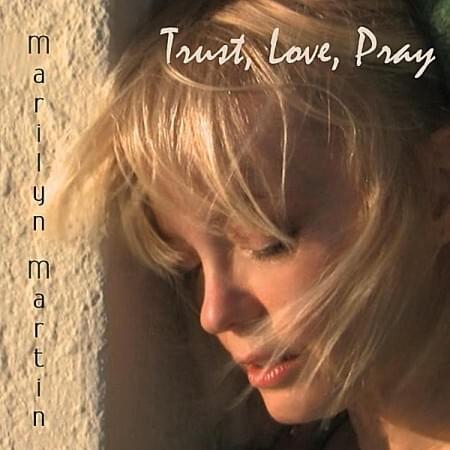
 View Artist