Song Meaning
Marilyn Manson's "Pretty as a Swastika" (Alternate Version) is, on its surface, a blunt force trauma of a song, a provocation designed to shock. But beneath the surface lies a more nuanced exploration of power, destruction, and the unsettling allure of forbidden things. The jarring central metaphor – comparing a lover to a symbol of hate – isn't just about transgression for transgression's sake. It's about acknowledging the dark undercurrents that can exist within desire, the dangerous beauty that can be found in things that are inherently destructive. The lyrics hint at a relationship defined by pain and control, where love and violence are intertwined. Manson isn't necessarily endorsing the ugliness, but rather forcing us to confront its uncomfortable presence. The line "I want to smash into your face, like a plane / And drown in between your legs" uses extreme imagery to express both violent urges and sexual desire, pushing the listener to consider the blurred lines between attraction and aggression. This duality is a recurring theme in Manson's work, a fascination with the grotesque and the seductive power of the taboo.
The repetitive nature of the lyrics, particularly the chorus – "Let me show you where it hurts / There's more than one way to make you cry" – emphasizes the cyclical and potentially abusive dynamic at play. It's a power struggle, a sadomasochistic dance where both parties are complicit in the infliction of pain. The lines "One of us is a knife / One of us is ripe, baby" further underscores this dynamic, highlighting the inherent imbalance and the potential for exploitation. The "knife" wields the power to inflict pain, while the "ripe" one is vulnerable and susceptible. However, there's also an element of choice involved, a conscious decision to engage in this dangerous game. The song's exploration of these themes is undeniably disturbing, but it also reflects a certain truth about the darker aspects of human relationships.
Ultimately, interpreting "Pretty as a Swastika" requires navigating the complex layers of Manson's artistic persona. Is it pure shock value? Or is there a deeper commentary on the human condition? The song's meaning, likely, lies somewhere in between. It's a deliberate attempt to challenge our moral boundaries, to force us to confront the uncomfortable truths about ourselves and the world around us. By associating beauty with a symbol of pure evil, Manson compels us to question our notions of both, revealing the unsettling potential for attraction to exist even in the most repulsive of things. The song's power resides not in its literal interpretation, but in its ability to provoke a visceral and unsettling emotional response.
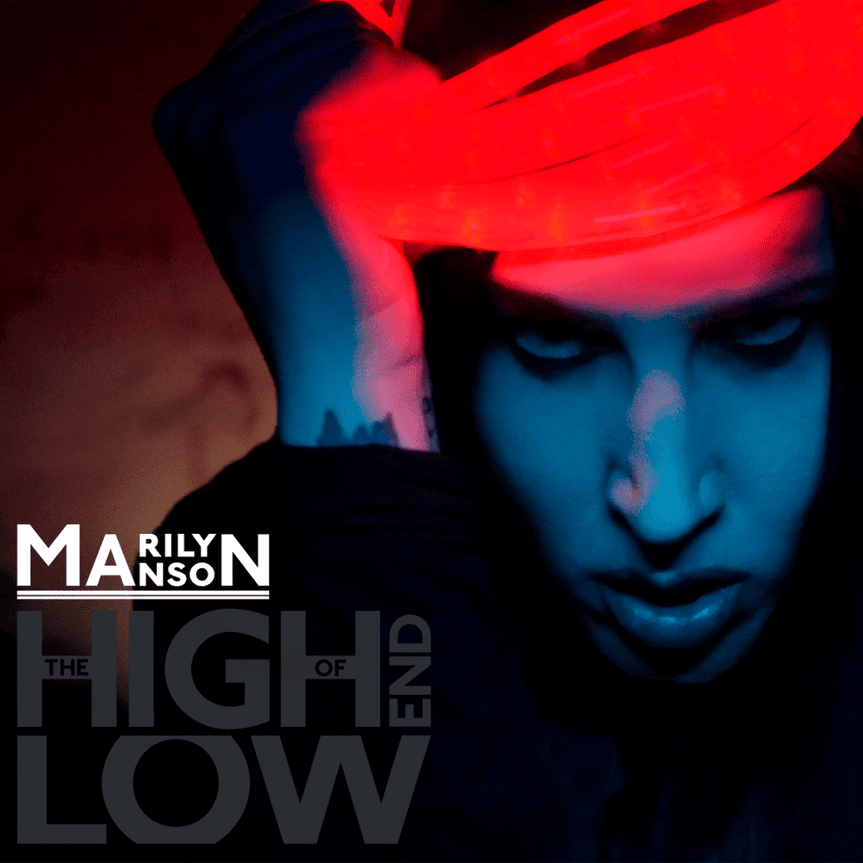
 View Artist