Song Meaning
Marilyn Manson's "Fall of the House of Death" isn't just gothic posturing; it's a psychological autopsy. The song meaning hinges on self-confrontation, a brutal acknowledgement that the monsters we fear often reside within. The opening lines, "Stood in the face of the grim death / Screaming monsters bring me to deafness," suggest an overwhelming sense of dread and inner turmoil. But the true gut-punch comes with the realization that the mirror reflects not an external enemy, but a distorted version of the self: "When the mirror is made of my face." This is not a battle against the world, but an internal war.
The chorus, "This is the house of death / Where even angels die in arms of demons," paints a bleak landscape of moral decay. The image of angels succumbing to demons suggests a loss of innocence, a corruption of the soul within this metaphorical "house of death." Manson isn't just exploring darkness; he's dissecting the conditions under which virtue itself can be consumed. It's a nihilistic vision, but one laced with a desperate yearning for something beyond the abyss.
Verse two doubles down on the futility of hiding from this inner darkness. "Hide your heart in your gut, but for what? / When they're waiting to pull you apart" speaks to the inevitability of facing one's demons. The "scarecrow on death row" image is particularly potent, evoking a sense of vulnerability and impending doom. The refrain, "No one is exempt from the odds of even," seals the deal: this is a universal struggle, a shared human condition. "Fall of the House of Death" ultimately suggests that the only way to navigate this internal hellscape is to confront the darkness head-on, however terrifying that prospect may be.
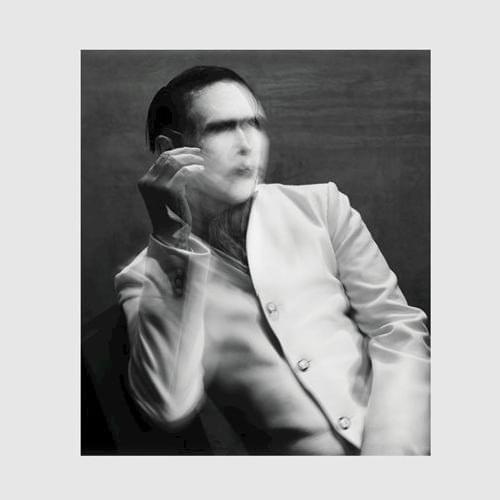
 View Artist