Song Meaning
The lyrics paint a stark picture of displacement and disillusionment, opening with a powerful identification: "I see myself in them." The narrator connects with those on the "borders," waiting for a chance to simply "exist again." These are "brothers, sisters, sons and daughters" who are denied access to promised "golden streets," forced instead to flee "demolished lives" only to run "into walls." This immediately establishes a tone of profound societal failure and broken promises.
The central tension arises from the stark division between the "haves" and the "have nothings," the "accepted and rejected." A desperate, almost rhetorical question emerges: "We can't keep letting them in?" This suggests a conflict between empathy and perceived necessity, a struggle to reconcile humanitarian impulse with the harsh realities of scarcity and exclusion that the lyrics imply.
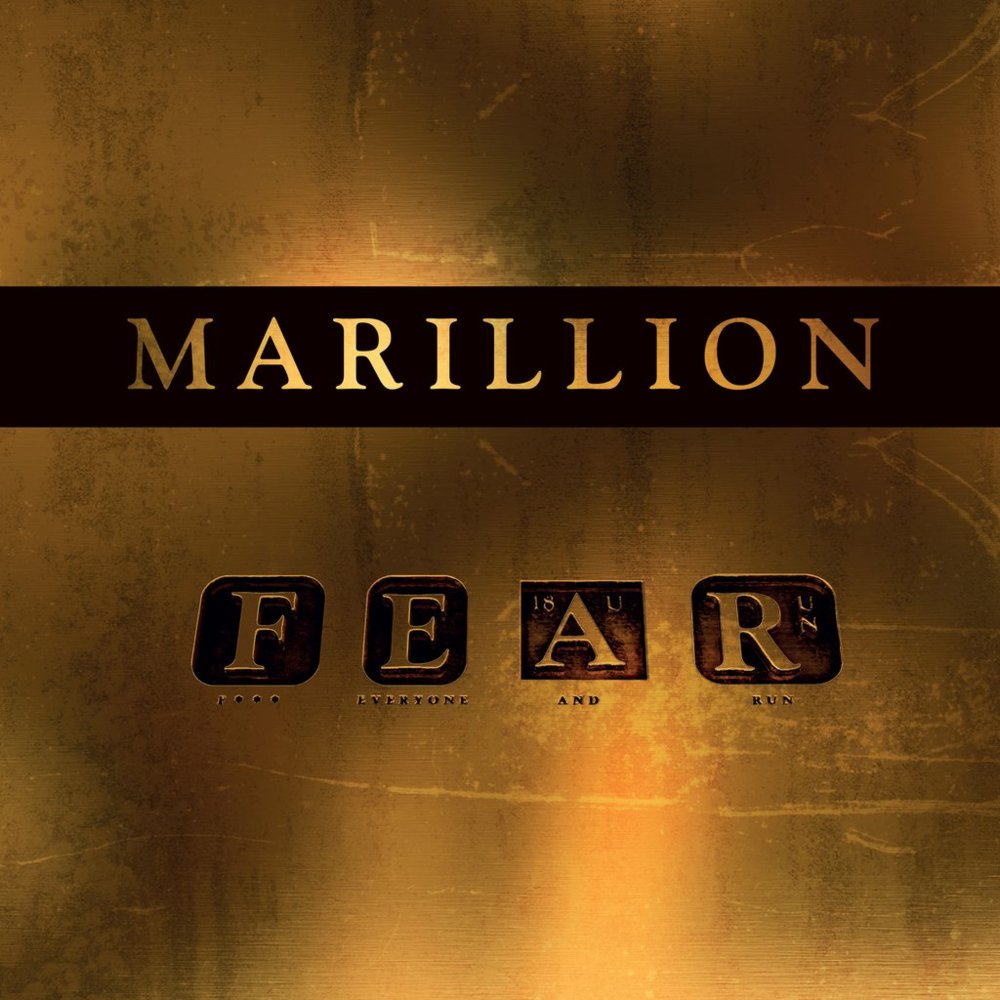
The recurring motif of "gold" functions as a potent, destructive force. It's presented not as a reward, but as the very thing that "stops us" and has "always did." The lyrics chillingly equate its destructive power to that of "Uranium" and "Polonium," amplifying its lethal impact beyond mere material wealth to something existentially dangerous. The juxtaposition of this historical/elemental destruction with a "man beheaded on a smartphone" falling from the sky highlights the absurdity and omnipresence of violence in the "modern life."
Ultimately, these lyrics hit hard by contrasting idealized notions of prosperity with brutal realities. The "gold" that should represent a better life becomes the source of ruin, leading to "demolished lives." The final lines, "Modern life / Everything is everywhere ... Handy / And obscene," encapsulate a world oversaturated with information and disconnected from genuine human consequence, where violence is both pervasive and disturbingly normalized.
 View Artist