Song Meaning
The lyrics paint a poignant picture of a city that holds deep memories of a past love. The opening lines immediately establish a sense of nostalgia, directly asking if the addressee remembers the shared moments of meeting, loving, and parting. This sets up a central theme of remembrance and the enduring impact of a significant relationship tied to a specific place.
The core emotional tension lies in the narrator's longing for a love that is now "far away" and seemingly lost, with "dreams stolen." The city itself becomes a character, a silent witness to what once was. The narrator questions if the city still evokes memories of their past affection for the absent lover, highlighting the bittersweet connection between place and personal history. This creates a palpable sense of absence and a yearning for what has been lost.
The recurring question, "Da li te ponekad seti moj grad?" (Does my city sometimes remind you?), is a powerful rhetorical device. It underscores the narrator's hope, or perhaps desperate wish, that the shared environment still holds meaning for the other person. The contrast between the physical distance ("Daleko si, nema te" - You are far away, you are not here) and the narrator's internal commitment ("Ja u srcu nosim te" - I carry you in my heart) is stark. This internal preservation of the memory is framed as an act of defiance against forgetting, "Čuvaću sve što smo imali mi / Da se ne zaboravi" (I will keep all that we had / So it won't be forgotten).
This lyrical construction is effective because it grounds an abstract feeling of loss in a concrete, shared space. The city isn't just a backdrop; it's an active element in the memory. The direct address and the simple, repetitive structure of the chorus amplify the feeling of a persistent, almost obsessive, recollection. It resonates because it captures that universal experience of a place becoming inextricably linked to a person and a specific emotional chapter of one's life, a chapter the narrator is determined not to let fade.
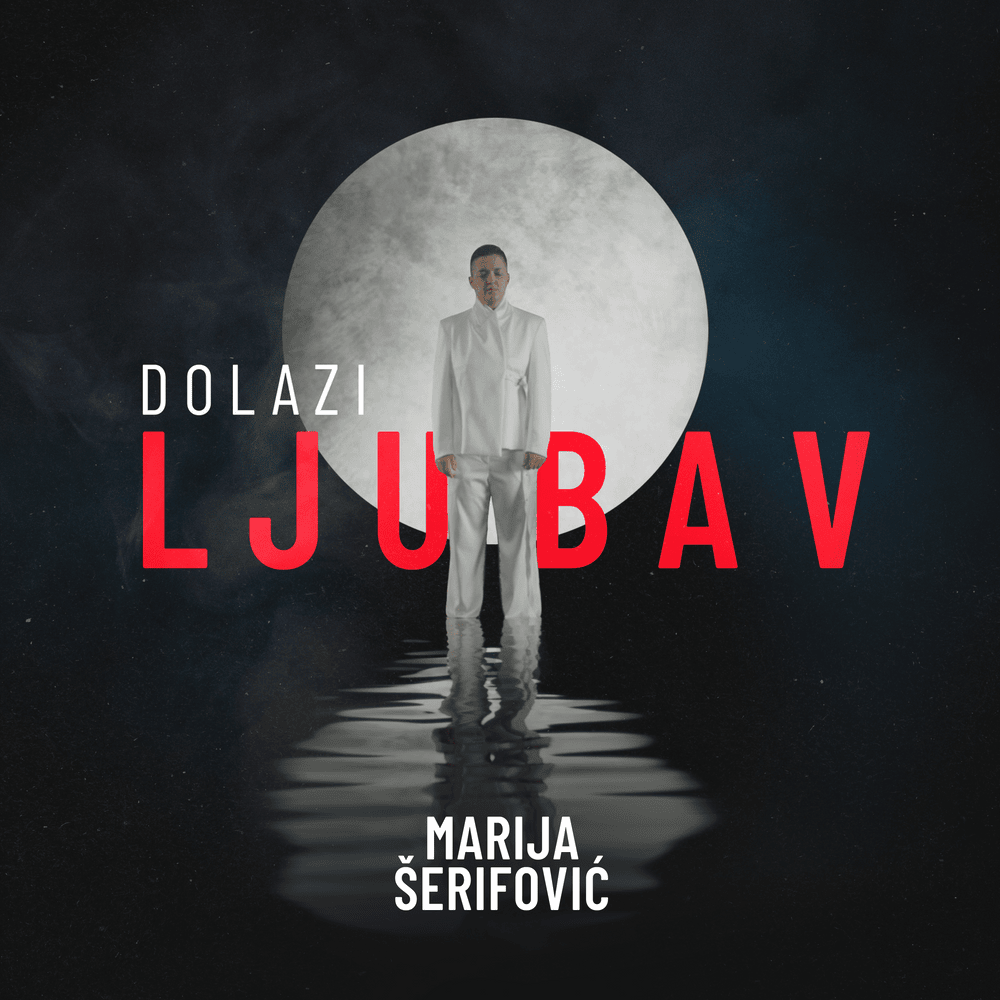
 View Artist