Song Meaning
These lyrics paint a picture of quiet surrender, acknowledging a past that's too distant to revisit yet too recent for full forgiveness. The dominant feeling is one of letting go, not through active effort, but by allowing memory and emotion to simply fade. It's a reflective acceptance of what is, rather than a struggle against it.
The central tension here lies in the delicate balance between what has been lost and what remains. The narrator observes that "trop de blancs dans la mémoire" suggests significant gaps, yet also admits "un peu tôt pour pardonner," indicating that some emotional residue still lingers. This creates a poignant sense of a relationship or situation that has run its course, leaving behind a quiet ache rather than sharp pain.
The repeated refrain, "Sans mémoire / Laisser le hasard," functions as a mantra, a deliberate choice to embrace the unknown. It's a fascinating paradox: the act of "continuer à s'oublier" isn't passive neglect but an active decision to clear the slate, allowing "le hasard s'installer." This suggests a profound trust in fate to resolve what personal effort cannot, effectively erasing "les mensonges presque disparus."
Ultimately, these lyrics are effective because they articulate a deeply human experience of moving on without closure, finding peace in the absence of memory and the embrace of chance. The understated language and focus on internal shifts—the "rancune s'est essoufflée," the past choosing to "mourir"—create a powerful, almost meditative reflection on the quiet continuation of life despite unresolved histories. It's a nuanced take on healing, where forgetting becomes a form of liberation.
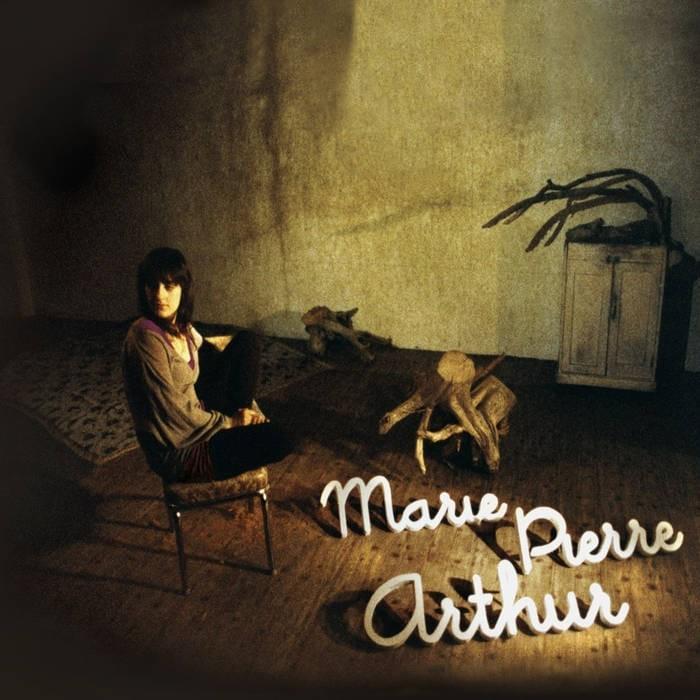
 View Artist