Song Meaning
The lyrics paint a stark contrast between the serene, almost deathly stillness of the mountain at night and the narrator's intense, sleepless longing. The mountain is described as "beautiful like never before" and "calmer than ever," blanketed by a "white moon." Yet, this external peace only amplifies the narrator's internal turmoil, suggesting a world that moves on while they are frozen in their yearning. The phrase "everything sleeps, or dies" hints at a profound sense of isolation and the potential finality of their situation.
The central tension lies in the narrator's desperate need for a specific person, the one who "doesn't cry." This person's stoicism is what causes the narrator to weep, creating a painful paradox. The repeated question, "where are you tonight?" underscores the agonizing absence. The narrator's eyes "want to see you one more time," a plea born from an overwhelming "love" that keeps them awake while the world slumbers.
The most striking element is the direct address to the absent lover, highlighting their perceived lack of emotional response. The narrator claims, "You, who doesn't cry, make me cry." This juxtaposition is the emotional engine of the song. It suggests that the lover's emotional detachment is the very source of the narrator's profound sorrow, a sorrow so deep it mirrors the stillness of the sleeping world.
This writing is effective because it grounds an overwhelming emotional state in concrete, sensory details of the night landscape. The quiet mountain becomes a silent witness to the narrator's sleepless vigil. The simple, repeated declarations of desire – "I want you, I want you" – combined with the poignant image of eyes longing for a glimpse, create a raw, palpable sense of heartbreak. The lyrics capture the specific pain of loving someone whose emotional reserve amplifies your own grief.
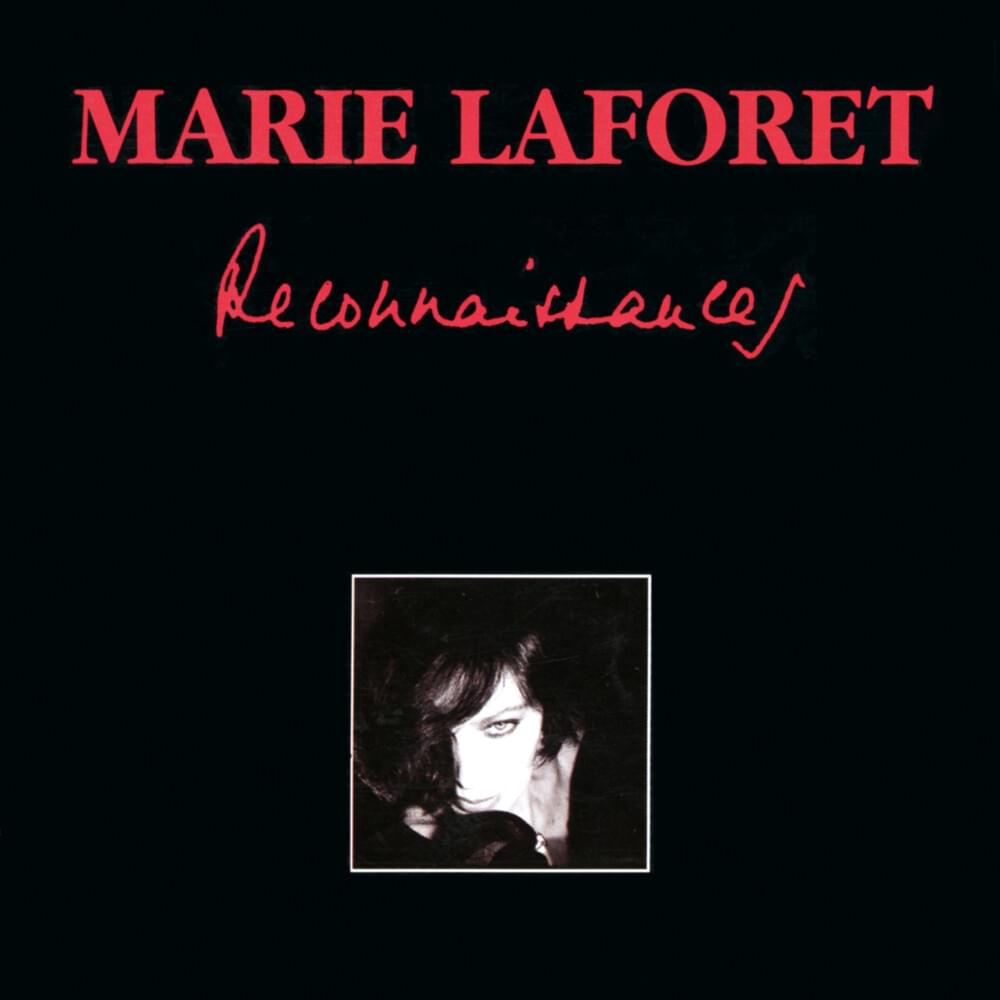
 View Artist