Song Meaning
The narrator declares a profound shift in their world, centered entirely on a beloved. Nature's familiar beauty—swallows, forest scents, asphodels, the shimmer of minnows—has faded, replaced by the singular presence of this person. The lyrics paint a picture of someone whose senses and affections have been so completely reoriented that the external world now only reflects their obsession. The natural imagery, once a source of joy or connection, now serves as a backdrop to this all-consuming devotion.
The central tension arises from this absolute surrender. The narrator explicitly states, "My sky and my earth, it is you," and later, "I no longer need so much light; He is my sun and my wheat." This isn't just love; it's a total eclipse of self, where the external world's vibrancy is diminished, and all light, sustenance, and meaning are found in the beloved. The repeated "Je ne sais plus" (I no longer know how) emphasizes a loss of former capabilities and connections, highlighting the depth of this transformation.
The most striking craft element is the narrator's repurposing of natural imagery. The "bouquets d'asphodèles" (bouquets of asphodels), once gathered, are now given away, signifying a transfer of past affections and experiences. The "étangs" (ponds) and "bois" (woods) are also relinquished. This act of giving away these elements of their former life underscores the totality of their offering. The stars that fall, carrying "long vows of joy," suggest a hope that this sacrifice will be met with reciprocal happiness, a testament to the narrator's earnest, almost desperate, plea for connection.
This lyrical construction is effective because it grounds an intense, almost overwhelming emotional state in concrete, albeit melancholic, natural imagery. The contrast between the narrator's former engagement with nature and their current singular focus creates a palpable sense of devotion and loss. The final lines, "I give you all my asphodel bouquets, / My ponds, my wheat, and my woods, / All my past flies away and spreads its wings, / I give you everything to give myself to you," encapsulate this complete self-abnegation. It’s a powerful portrayal of love as a force that can both enrich and erase the self, leaving only the beloved as the sole point of reference.
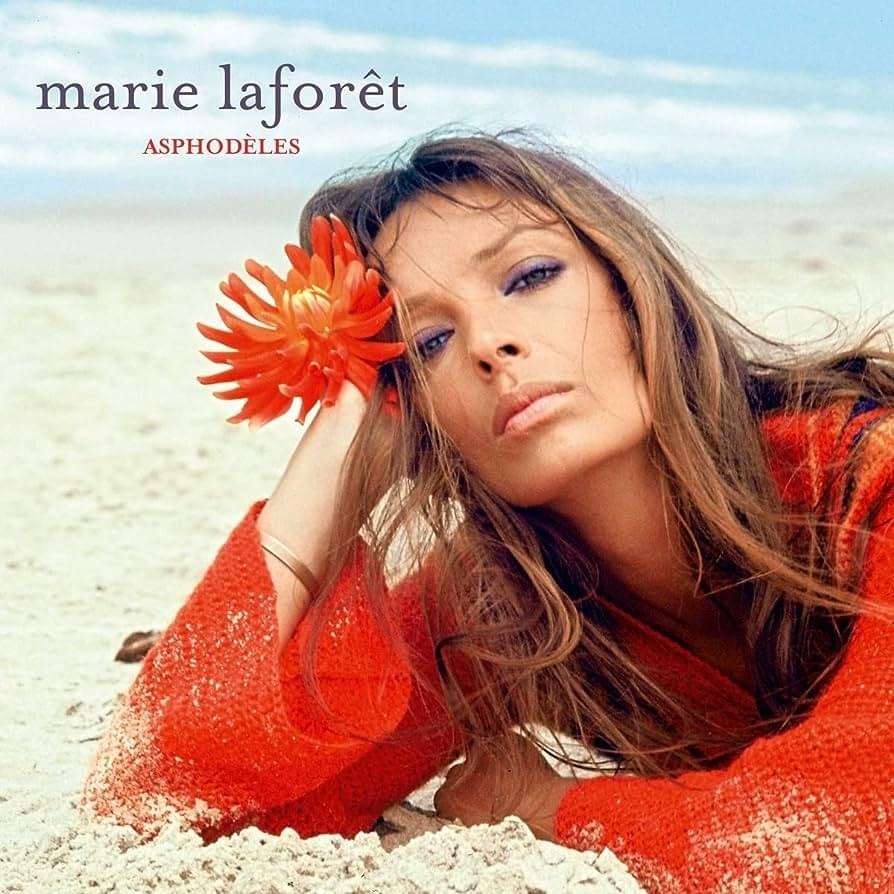
 View Artist