Song Meaning
The lyrics paint a vivid, almost dreamlike picture of a rural wedding, seen through the eyes of someone yearning for that idyllic scene. The narrator closes their eyes and immediately conjures images of a cheerful, old-fashioned country wedding, complete with children leading the way and a palpable sense of love filling the air. This initial vision establishes a tone of gentle nostalgia and romantic longing, setting the stage for a deeply personal wish.
The core emotional tension arises from the narrator's desire to be not just an observer, but an active participant in this fantasy. They express a strong wish to be the bride, dressed in white, experiencing the "mille joies" (a thousand joys) of the moment, with their chosen partner by their side. The focus shifts from the general scene to a specific, intimate longing for a shared future, where neighbors approve of the groom and the couple walks hand-in-hand as bells chime.
The most striking craft element is the pervasive, almost hypnotic repetition of "la campagne" (the countryside). This phrase acts as a constant anchor, grounding the romantic fantasy in a specific, pastoral setting. It reinforces the idealized, simple beauty the narrator associates with love and commitment. The recurring image of "l'ombre d'une fille et d'un garçon" (the shadow of a girl and a boy) further emphasizes the youthful, timeless quality of this envisioned union.
Ultimately, the effectiveness of these lyrics lies in their ability to evoke a powerful sense of yearning through simple, evocative imagery. The contrast between the observed scene and the narrator's personal desire creates a poignant emotional resonance. The gentle rhythm and recurring phrases create a lullaby-like quality, making the fantasy feel both accessible and deeply felt, culminating in the declaration of love sung through the "mille notes" of the countryside.
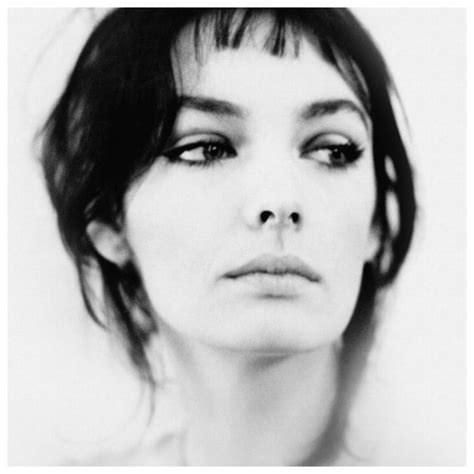
 View Artist