Song Meaning
The lyrics paint a picture of a relationship viewed through the lens of time and perception, questioning how it might have been seen in the past. The opening lines immediately establish a temporal distance, wondering about perceptions "a hundred years ago," before the subjects were "really seen." This sets up a core tension: the gap between how others might have imagined or depicted them and their actual existence.
The central conflict seems to revolve around the idea of destiny versus self-creation. The narrator repeatedly asks if they were seen as "bigger," "stronger," or "a treasure" in some imagined past. The recurring image of portraits being drawn "a long time ago" suggests external attempts to define them, yet the crucial line "But they couldn't see us" reveals a fundamental disconnect. This implies their true selves or their bond transcended those external projections.
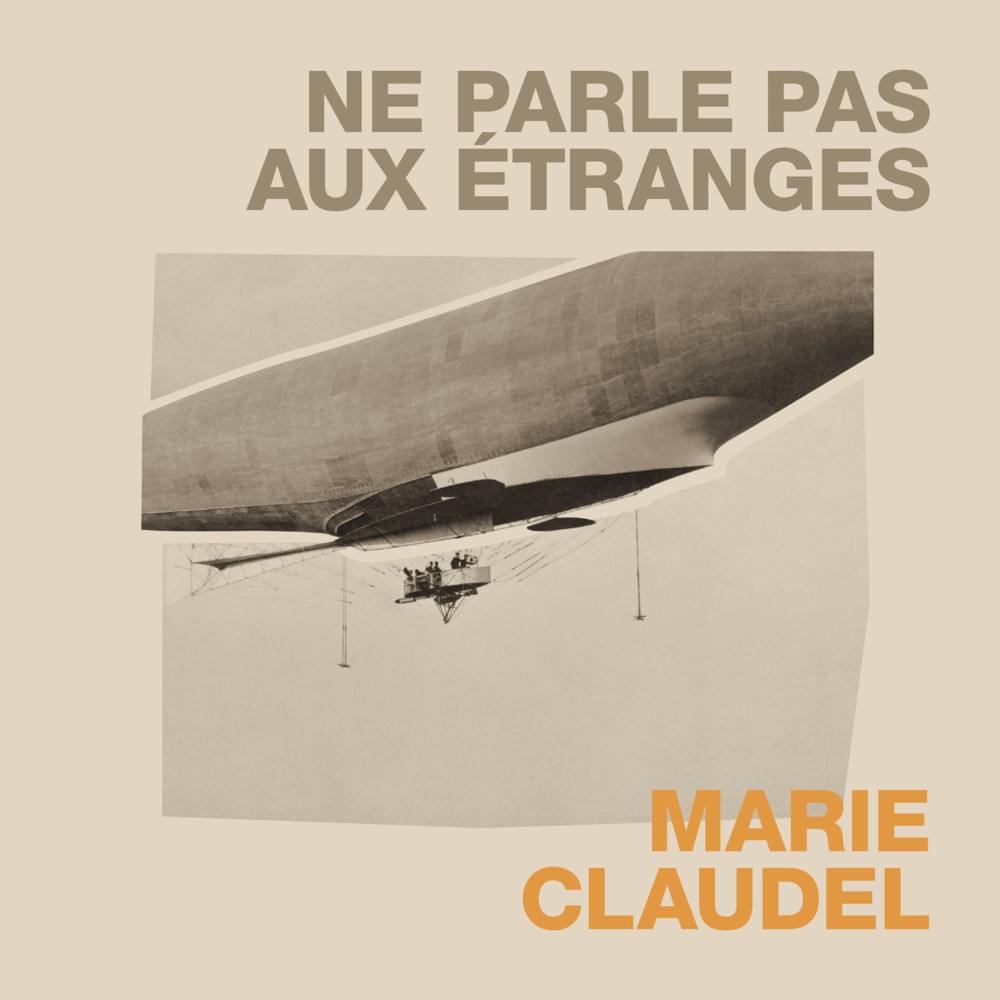
The song's most striking craft element is its use of surreal, almost futuristic imagery to describe past perceptions. Images of "flying over heads," "crossing the sea on foot," or "walking hand in hand on water" are fantastical, suggesting that even in the past, people envisioned them in extraordinary, perhaps even impossible ways. Later, "aeroplanes / Hanging from our dangling bodies" and "running after the train / That runs after its breathless world" inject a sense of anachronistic, almost absurd futurism into these historical imaginings, highlighting the difficulty of truly capturing a present moment or a relationship's essence.
Ultimately, the lyrics resonate because they tap into a universal feeling of being misunderstood or defined by others, while simultaneously asserting agency. The final question, "Do we see ourselves together?" shifts the focus inward, suggesting that the most important perception is their own shared understanding of their bond. The fantastical imagery serves not just as poetic flourish, but as a way to illustrate how elusive true sight can be, whether from an external observer or even from within the relationship itself.
 View Artist