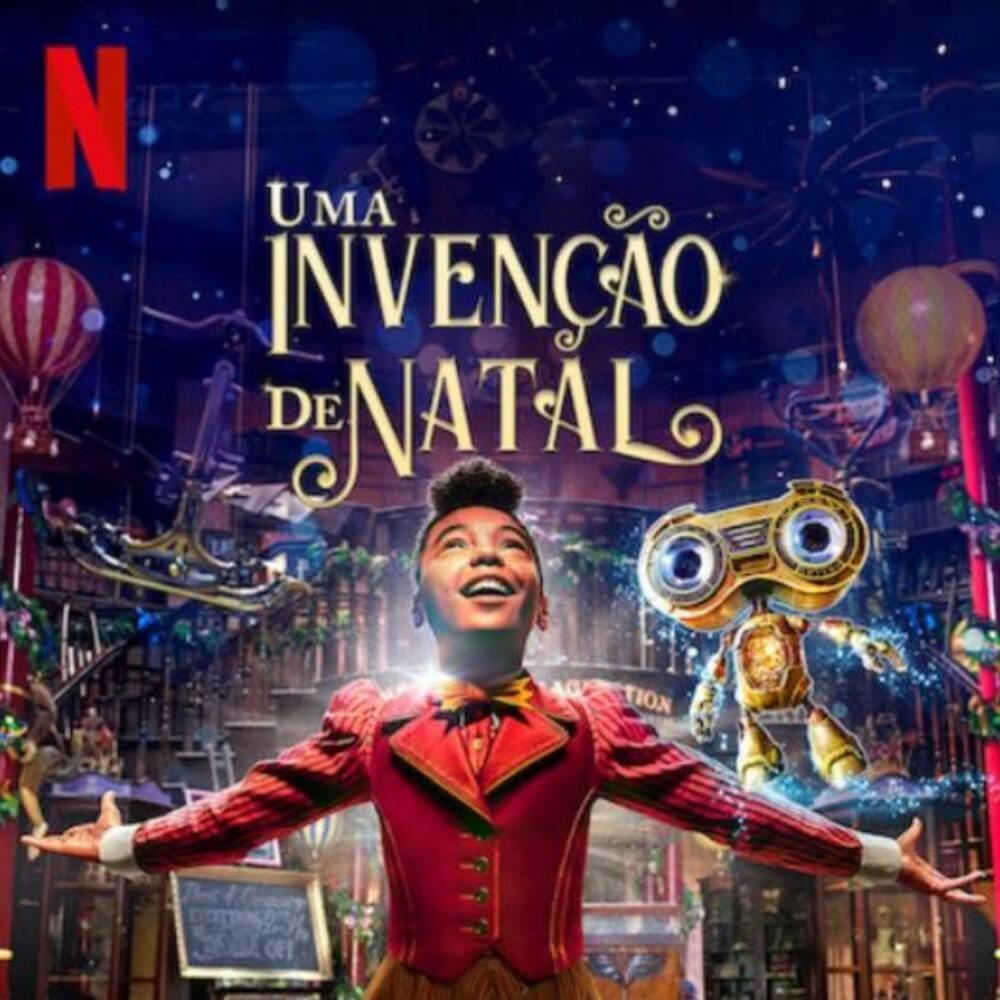
Song Meaning
This track opens with a raw declaration of shared, unseen potential. The narrator, Don Juan, identifies with someone else, stating, "Eu sou igual a você / Cheio de dons, mas ninguém vê." He laments a perceived societal oversight, feeling like their talents are ignored, as if they "não fosse pra nós." This immediate connection sets a tone of mutual understanding and a shared struggle against obscurity, hinting at a desire for recognition.
The core tension arises from a proposed act of defiance against this lack of recognition. Don Juan sees a future where he and the other person, "Gustafson e Don Juan, só nós dois," achieve fame. The path to this visibility, however, involves a questionable act: "Se emprestar pra nunca mais devolver." This phrase, repeated and emphasized, suggests taking something – perhaps an opportunity, an object, or even a reputation – and making it permanently their own, blurring the lines between borrowing and outright taking.
The most striking aspect is the justification for this act. Don Juan frames it as simple and not theft: "É fácil / Não é roubo / É só nunca mais devolver." This redefinition of the action is key. It’s not about malicious intent but about seizing what they feel is rightfully theirs, a desperate measure to break through the invisibility they experience. The repetition of "nunca mais devolver" transforms a simple act of borrowing into a permanent claim, a bold statement of intent to hold onto whatever advantage they gain.
This lyrical strategy is effective because it taps into a relatable frustration with being overlooked. The narrator’s plea, "Eu só te peço que me escute," combined with the audacious plan, creates a compelling narrative. The lyrics suggest that in a world that doesn't see their gifts, the only way to achieve prominence is to take and never give back, a morally ambiguous but emotionally charged solution to their shared predicament.