Song Meaning
The lyrics paint a stark picture of isolation. A speaker describes living with another in a desolate "choza" (hut) in a "páramo" (wasteland). The immediate emotional texture is one of profound solitude, tinged with a deep, almost unsettling intimacy. The speaker carries the weight of "pecados" (sins), contrasting sharply with the described purity of the other.
The core tension lies in the fundamental disparity between the two figures. The speaker admits, "Yo miento y tú no como un animal," highlighting their own deceit against the other's instinctual honesty. This creates a fascinating dynamic: one is burdened by human flaws, while the other embodies a kind of innocent, unwavering faithfulness, repeatedly described as "tan fiel." This unequal footing fuels a sense of both connection and inevitable "dolor."
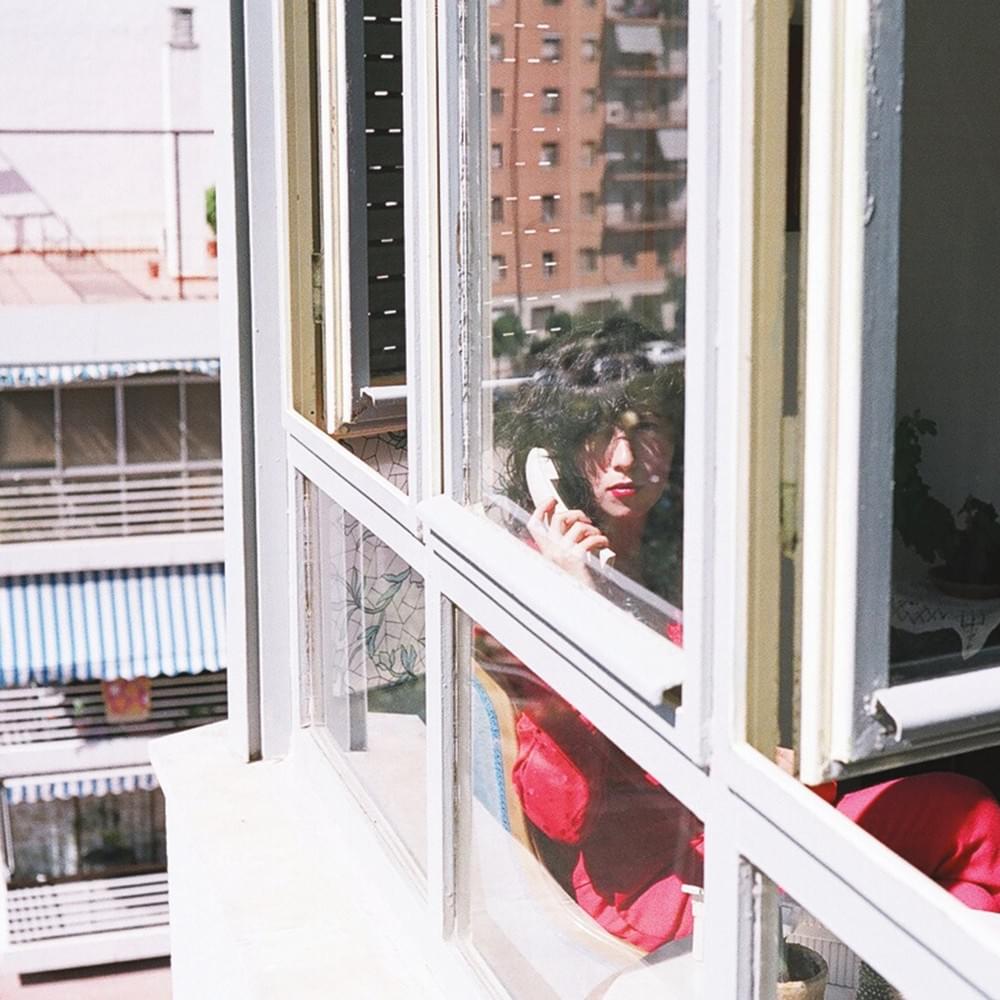
The repetition of the stanza describing the "you" is particularly effective: "Tu piel tan blanca se siente suave / Tus ojos grandes no me dejan de ver." This recurring sensory detail anchors the "you" as a constant, almost idealized presence amidst the speaker's internal turmoil. It emphasizes the comfort and unwavering gaze the speaker finds, making the "you" a palpable source of solace in their isolated, sinful world. The repeated "Llámame" then shifts from observation to a desperate, urgent plea for continued connection.
These lyrics resonate by crafting a relationship that feels both deeply intimate and profoundly unsettling. The speaker's raw self-awareness of their own "pecados" and lies, set against the other's pure, almost animalistic honesty, creates a powerful emotional contrast. The suggestion that their bond is "sobrenatural" and "una aparición" elevates the connection beyond the mundane, hinting at a fated, perhaps even tragic, bond that the speaker desperately clings to through the repeated, insistent call of "Llámame."
 View Artist