Song Meaning
These lyrics paint a vivid picture of constant motion and deep reflection. The narrator appears to be on a journey, observing a world in flux, where "canyons turn to peaks." Yet, despite the vast distances covered, there's a sense of returning to an origin, a feeling that "I'm back where I started."
This sense of cyclical travel creates a central tension. Grand, almost mythic journeys—crossing "the Mississippi / With the devil's walking stick"—are juxtaposed with intimate, sensory memories. The narrator recalls "music in our brains" and "Splashing puddles in the rain," suggesting shared moments of simple joy that anchor the experience amidst the broader, restless movement.
The craft here lies in how the lyrics shift perspective and ground abstract ideas in tangible objects. The narrator moves from a collective "we" in the journey and shared memories to a personal "I" when reflecting on their inherent drive: "the search for the unknown / Has always carried me away." This personal quest is tempered by a yearning for physical mementos—"Boxes," "Jars filled with ocean sand," and "pictures torn and faded"—which serve as concrete links to a past that offers desired "patterns that we saw."
Ultimately, these lyrics are effective because they articulate a universal human dilemma: the pull between exploration and belonging. The constant change observed in the world and the narrator's own wanderlust are resolved not by finding a new destination, but by recognizing the familiar "patterns" that define a place of comfort and connection. The simple, resonant declaration, "It's home, home," feels like a profound realization after a long internal and external journey.
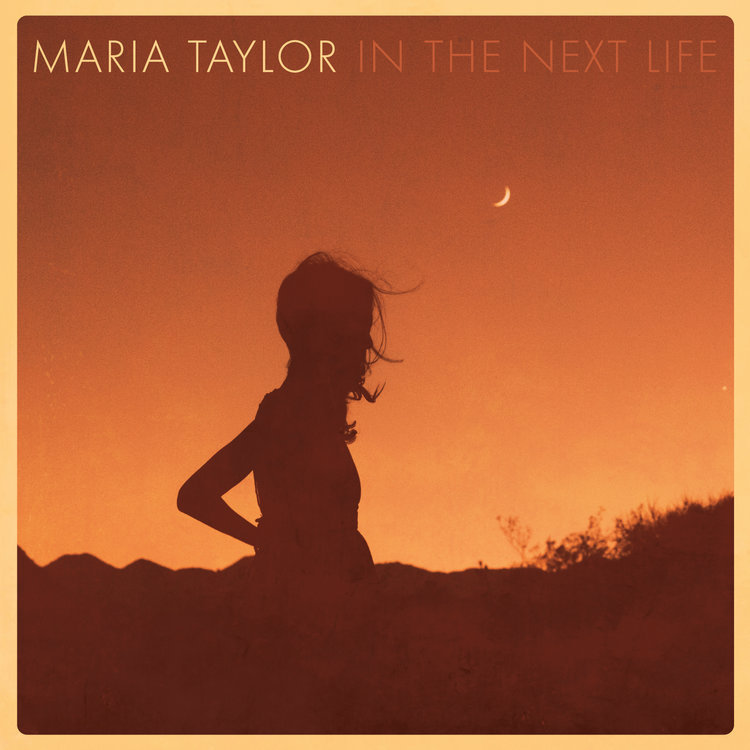
 View Artist