Song Meaning
Maria Solheim's "Wildest Day" isn't just a song; it's a visceral portrait of battling depression and finding solace in connection. The opening paints a stark picture: hope depleted, the body leaden, a forced smile masking inner turmoil. This isn't a vague lament; it's a grounded depiction of the daily struggle to simply function when weighed down by mental illness. The lyrics evoke a sensory overload, a "sphere of sound," suggesting the disorienting and isolating nature of depression. The act of "painting on my soul / Cover up my wholes" speaks to the exhausting work of concealing inner pain from the world, a performance of normalcy that drains vital energy.
The core of the song meaning lies in the internal battle. Solheim wrestles with the urge to surrender ("Finding reasons to give in"), questioning her resilience and faith. The "walls of noise" closing in are a powerful metaphor for anxiety and the overwhelming nature of negative thoughts. Amidst this chaos, a glimmer of hope appears in the form of another person: "Sweet and sound and fine is he / Who knows the dark, knows my song." This isn't a savior figure, but someone who understands the singer's pain on a deep level, offering empathy rather than a quick fix.
The final verses mark a shift. It's not a miraculous cure, but rather the quiet strength found in shared understanding. "And with his love, I'll find my way / Through deepest dark, and wildest day" isn't about escaping the darkness entirely, but navigating it with support. The repetition of "with his love" underscores the power of human connection as a guiding light. The song's brilliance lies in its honesty; it acknowledges the ongoing struggle while celebrating the resilience fostered by genuine empathy. It's a reminder that even on our "wildest day," we don't have to walk alone.
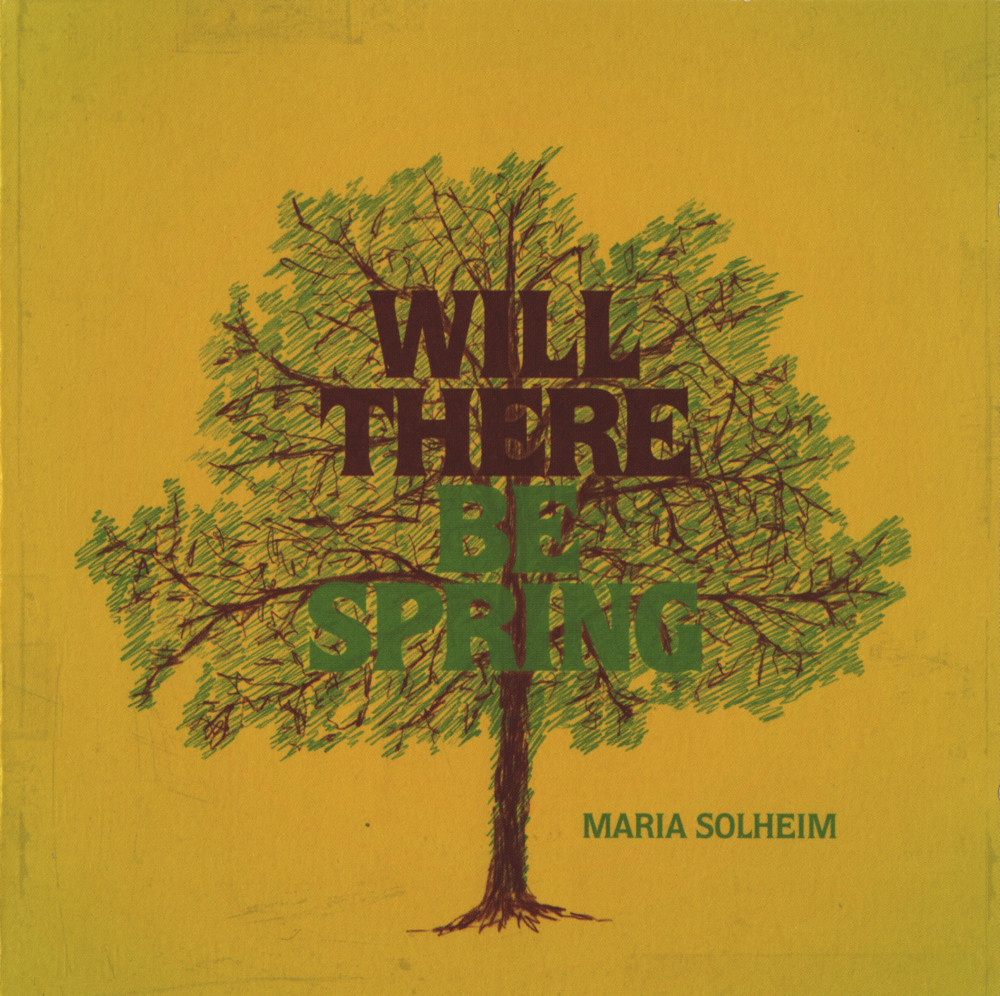
 View Artist