Song Meaning
The lyrics paint a stark picture of parental anxiety, a desperate plea against overwhelming threats. The repeated phrase "Don't let no... take them" establishes a tone of urgent, almost primal protection. It's a raw expression of a parent's deepest fears, focusing on external forces that could harm their children. The core message is a fierce desire to shield the "children" from a world perceived as inherently dangerous.
The central tension lies between the narrator's protective instinct and the seemingly uncontrollable nature of the threats. Fire, water, and war are presented as elemental forces, vast and destructive, against which the narrator feels powerless. This creates a palpable sense of dread, as the pleas are directed outward, hoping to ward off dangers that are beyond direct control. The repetition amplifies this feeling of helplessness, as the same entreaties are made over and over.
The most striking element is the shift in the final stanza. While the first three stanzas focus on external, elemental dangers, the last line introduces a new threat: "Don't let my fear break them." This internalizes the danger, suggesting that the narrator's own anxiety might be as harmful as the external forces. The concluding command, "set my children free," is particularly poignant. It implies that true safety might not be in containment, but in allowing them independence, even if that freedom is fraught with risk. This twist transforms the song from a simple plea for protection into a complex meditation on the nature of fear and freedom.
This lyrical construction is effective because it taps into a universal parental fear while also offering a profound insight into the psychological burden of that fear. The simple, direct language and insistent repetition create an immediate emotional resonance. The final turn, however, elevates the song, suggesting that the greatest act of love might be to confront one's own fear and grant children the space to navigate the world, rather than trying to shield them from every possible harm.
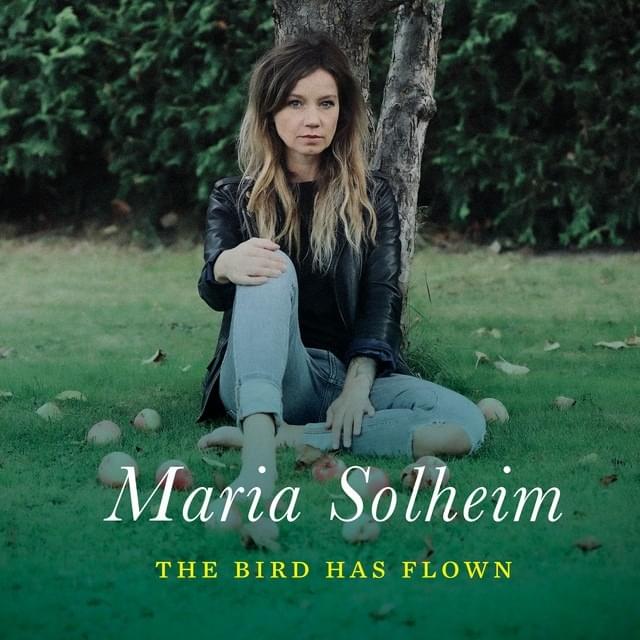
 View Artist