Song Meaning
Maria Rita's "Vida De Bailarina" isn't a saccharine portrait of grace; it's a stark unveiling of the sacrifices etched into a dancer's soul. The lyrics, delivered with Rita's signature emotional precision, peel back the glossy facade of ballet to expose the raw, often brutal reality beneath. The opening lines, "Quem descerrar a cortina / Da vida da bailarina / Há de ver cheio de horror" (Whoever opens the curtain / Of the ballerina's life / Will see full of horror), immediately sets a tone of disillusionment, suggesting a hidden pain lurking behind the dancer's practiced smile. The listener is invited to look past the superficial beauty and delve into the darker aspects of the ballerina’s existence.
The song meaning is centrally concerned with the contrast between appearance and reality, a theme that resonates deeply within the artistic world. Rita explores the idea that the ballerina, seemingly ethereal and free, may actually be trapped by circumstance. The lyrics highlight the potential for shattered dreams ("um sonho desfeito") and the lingering pain of lost love ("a desgraça de um amor"). These lines suggest that the pursuit of artistic excellence can come at a considerable personal cost, leaving the ballerina emotionally vulnerable and exposed.
Further complicating the narrative, the song addresses the transactional nature of admiration. Those who "compram o desejo / Pagando amor a varejo" (buy desire / Paying love at retail) fail to grasp the true depth of the ballerina's struggle. They see only the polished performance, oblivious to the compromises and sacrifices required to sustain it. The most poignant line, "Não vivendo pra dançar / Mas dançando pra viver" (Not living to dance / But dancing to live), encapsulates the tragic irony at the heart of the song. The ballerina is not dancing out of passion or artistic fulfillment, but out of necessity, forced to commodify her talent to survive. This stark depiction of artistic exploitation elevates "Vida De Bailarina" beyond a simple character study, transforming it into a powerful commentary on the pressures and compromises inherent in a life dedicated to art.
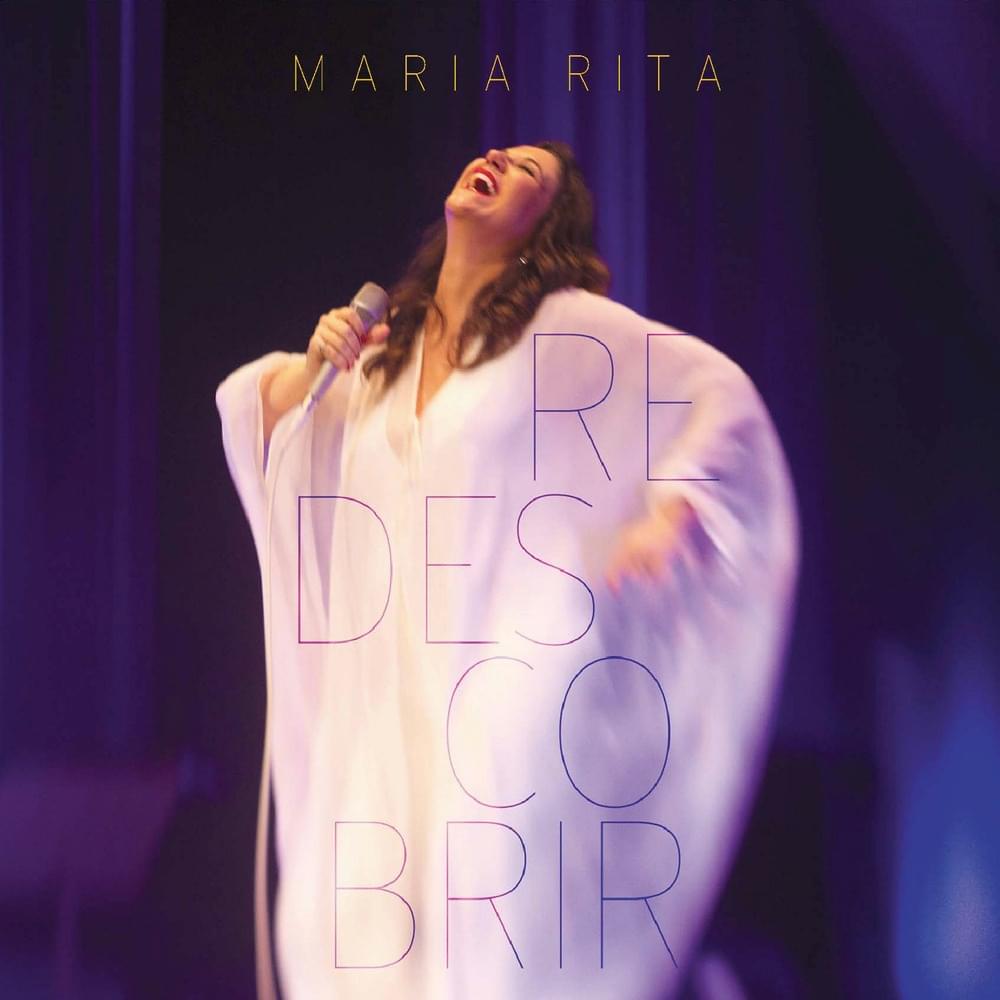
 View Artist