Song Meaning
Maria Rita's "Vai Meu Samba" isn't just a song; it's a raw nerve exposed to the elements. The plea woven into the rhythm—"Vai meu samba, vai dizer a vida / Que a ferida não cicatrizou"—immediately plunges us into the heart of enduring pain. It’s a classic expression of saudade, that uniquely Lusophone flavor of longing, but with an unflinching directness. The singer isn't merely missing someone; she's actively trapped in the aftermath of their absence, unable to move beyond the moment "a saudade dela me deixou." The repetition emphasizes the cyclical nature of grief, the feeling of being perpetually stuck in the same emotional space.
The samba itself becomes a messenger, a desperate envoy sent to communicate the depth of the singer’s wound. It's an attempt to externalize and process the pain, to give it form and voice through the music. The almost desperate cry, "Vai meu samba pelo amor de Deus / Diz que depois do adeus / É que eu fiquei assim," underlines the transformative power of loss. It’s not just about missing someone; it's about the fundamental shift in identity that occurs after a significant relationship ends. The singer is defined by this absence, altered irrevocably by the "adeus."
The request to "deixa o sol bater / Só pro mundo ver o que restou de mim" is particularly poignant. It's a vulnerable invitation to witness the singer's brokenness, a willingness to expose the rawness of her emotional state. There's no attempt to hide or sugarcoat the pain; instead, there's a defiant acceptance of it. The sun, typically a symbol of warmth and life, here serves as a harsh spotlight, illuminating the scars left behind. In essence, "Vai Meu Samba" is a masterclass in conveying vulnerability, using the vibrant energy of samba to carry the weight of profound personal loss. The song meaning resides in its unflinching portrayal of grief, its raw honesty making it a powerful and resonant experience.
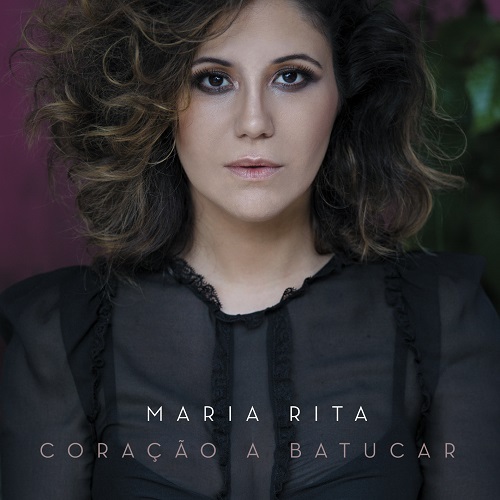
 View Artist