Song Meaning
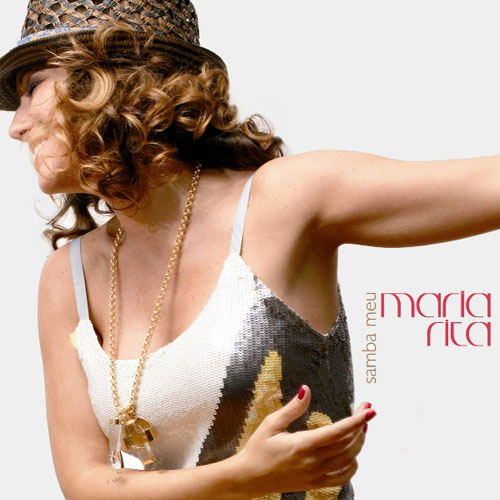
Maria Rita's "Samba Meu" isn't just a song; it's a sonic balm. It arrives, not as mere entertainment, but as active therapy for a wounded spirit. The lyrics position samba itself as the healer, a force capable of rousing one from apathy and mending the pain of abandonment. This isn't passive listening; it's an invitation to participate in a ritual of emotional repair. The recurring phrase "Meu samba vai curar" (my samba will cure) acts as a mantra, instilling hope and promising solace through rhythm and melody. There's a subtle, yet profound, understanding of how music can bypass the conscious mind, working directly on the nervous system to alleviate suffering. Rita understands the assignment.
The song's power lies in its affirmative stance. It's a celebration of life, beauty, and even the unconventional ("Meu samba não despreza o esquisito"). There's no room for despair here; only an embrace of the present moment and a hopeful glance toward the future. "Samba Meu" elevates samba beyond a musical genre, transforming it into a philosophy, a way of being that prioritizes joy, acceptance, and connection. It's about finding your place within a vibrant community, symbolized by the "bambas de verdade" (true samba masters) in the favelas.
Ultimately, the song is a request for permission and blessing to carry on the samba tradition. The singer acknowledges the lineage and legacy of samba, paying homage to its roots while simultaneously injecting it with her own unique style. The repeated line "Peço a benção pra passar" (I ask for the blessing to pass) acknowledges a deep respect for the cultural heritage while also expressing a desire to contribute to its ongoing evolution. It's a humble yet confident declaration: Maria Rita is not just performing samba; she is embodying its spirit and carrying its torch forward.
 View Artist