Song Meaning
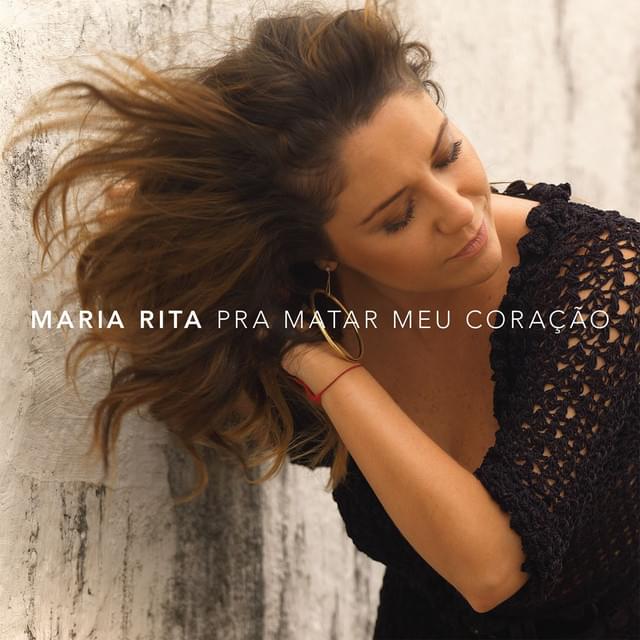
Maria Rita's "Pra Matar Meu Coração" isn't just a song; it's a perfectly rendered miniature of heartbreak's initial sting. The opening lines, "Olha quem chegou / Pra matar meu coração," don't depict a gradual decline but a sudden, almost theatrical strike. There's a sense of disbelief woven into the admission that her heart "não imaginou sair do chão"—it never anticipated falling from grace, from a state of contented stability. The arrival of this unnamed person isn't portrayed as a loving embrace, but as a calculated move, a pre-meditated "killing" of her heart. The hypnotic gaze suggests a power imbalance, a seduction that disarms before it devastates. It's a swift and decisive emotional blow.
But the genius of the song lies in its pivot. The second verse shifts from accusation to introspection. The line "Não acreditou / Não me ligou e foi sambar" reveals the perceived betrayal: he didn't believe in the relationship enough to even offer a phone call, opting instead for the liberating joy of samba. This abandonment ignites a deeply personal insecurity.
The final lines, "Diga espelho meu / Porquê que eu não sei sambar," are devastating in their simplicity. It's not merely about the literal act of dancing; samba represents freedom, joy, and perhaps most painfully, belonging. She's not just lamenting her inability to dance but questioning why she can't access the same carefree spirit that allows him to move on so easily. The mirror becomes a symbol of self-doubt, reflecting back her perceived inadequacies and amplifying the pain of rejection. The song meaning ultimately resides in this raw, vulnerable question: why am I not enough to inspire someone to stay, and why can't I find the same joy in moving on?
 View Artist