Song Meaning
Maria Rita's "Maltratar, Não é Direito" isn't just a song; it's a stark declaration of independence from emotional abuse cloaked in the rhythms of Brazilian music. The opening lines cut straight to the bone: "Maltratar não é direito" – mistreatment isn't right. It's a direct address, a plea to an unnamed "moço" (young man) who inflicts pain, fully aware of its source. The sorrow etched in the singer's voice speaks volumes about a love gone sour, a relationship poisoned by "desamor" – a profound lack of love. This isn't just heartbreak; it's the deliberate infliction of suffering. The circularity of the pain is evident as she anticipates further mistreatment, highlighting the cyclical nature of abusive relationships. The longing expressed in the line 'Eu chorei saudade' (I cried longing) underscores the complex emotions involved in breaking free.
The song pivots from victimhood to empowerment. Maria Rita asserts her newfound understanding: "Um amor só é bom, quando é prá dois" – a love is only good when it's for two. It's a simple yet powerful statement of equality and mutual respect, a direct rejection of the power imbalance that defined the relationship. The lyrics dismantle the illusion of eternal love, recognizing that some bonds are better broken. There's a defiant joy in her claim that she will no longer be deceived. The lines "O teu reinado acabou / Chegou ao fim" signal the end of the abuser's control. She has emerged from the darkness, rejecting the notion that their destinies are intertwined.
Ultimately, "Maltratar, Não é Direito" transcends a simple breakup song. It's a reclamation of self-worth, a refusal to tolerate further emotional abuse. The repetition of the melody, combined with the seemingly carefree "Lalalaiá" refrain, creates a poignant contrast. It's as if Maria Rita is using the music itself as a shield, a way to mask the lingering pain while celebrating her liberation. The song becomes an anthem for anyone who has endured emotional manipulation, a reminder that mistreatment is never justified, and that freedom lies in recognizing one's inherent right to be treated with respect and love.
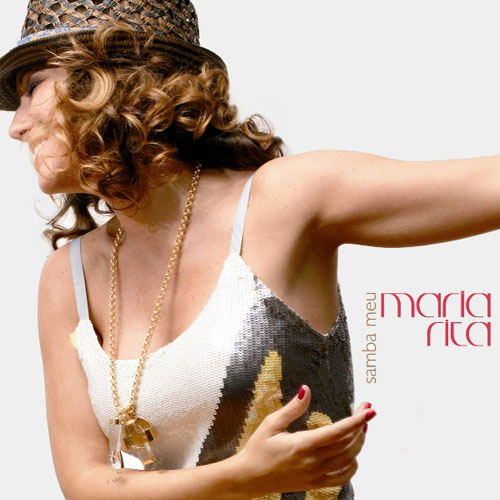
 View Artist