Song Meaning
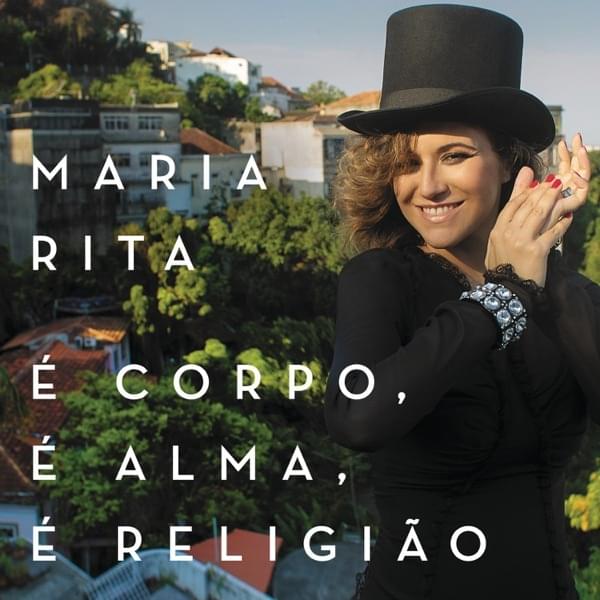
Maria Rita's "É Corpo, É Alma, É Religião" isn't just a song; it's a visceral declaration of belonging. The opening lines, "Eu não nasci no samba / Mas o samba nasceu em mim," immediately establish a theme of innate connection, almost pre-ordained destiny. She wasn't born *into* samba, but samba was born *within* her. This speaks to a deeper, perhaps spiritual, resonance that transcends mere cultural heritage. It's about finding a home in a tradition that pulses through your veins.
The lyrics then paint a picture of immersion: the terreiro (a space for Afro-Brazilian religious practice, also commonly used for samba), the sound of the pandeiro and tamborim, the incendiary effect of a full moon. These aren't passive observations; they're active engagements with sensory experiences that ignite a profound emotional and spiritual response. The repetition of "É corpo, é alma, é religião" underscores the holistic nature of this connection. Samba isn't just music; it's an embodied experience, a spiritual practice, and a fundamental aspect of being.
The latter part of the song emphasizes the universality of samba, name-dropping various samba schools like Vila Isabel, Padre Miguel, and Mocidade Alegre. The point isn't about allegiance to a particular school, but rather the unifying power of samba itself. "Tanto faz..." (It doesn't matter...) she sings, highlighting how samba transcends geographical or institutional boundaries. It’s about the liberating feeling (“Essa liberdade me faz delirar”) and the simple, pure joy derived from the act of sambar itself. The final line, "Quer me fazer feliz, me faz sambar," is the ultimate distillation of the song's meaning: samba as a direct conduit to happiness and fulfillment.
 View Artist