Song Meaning
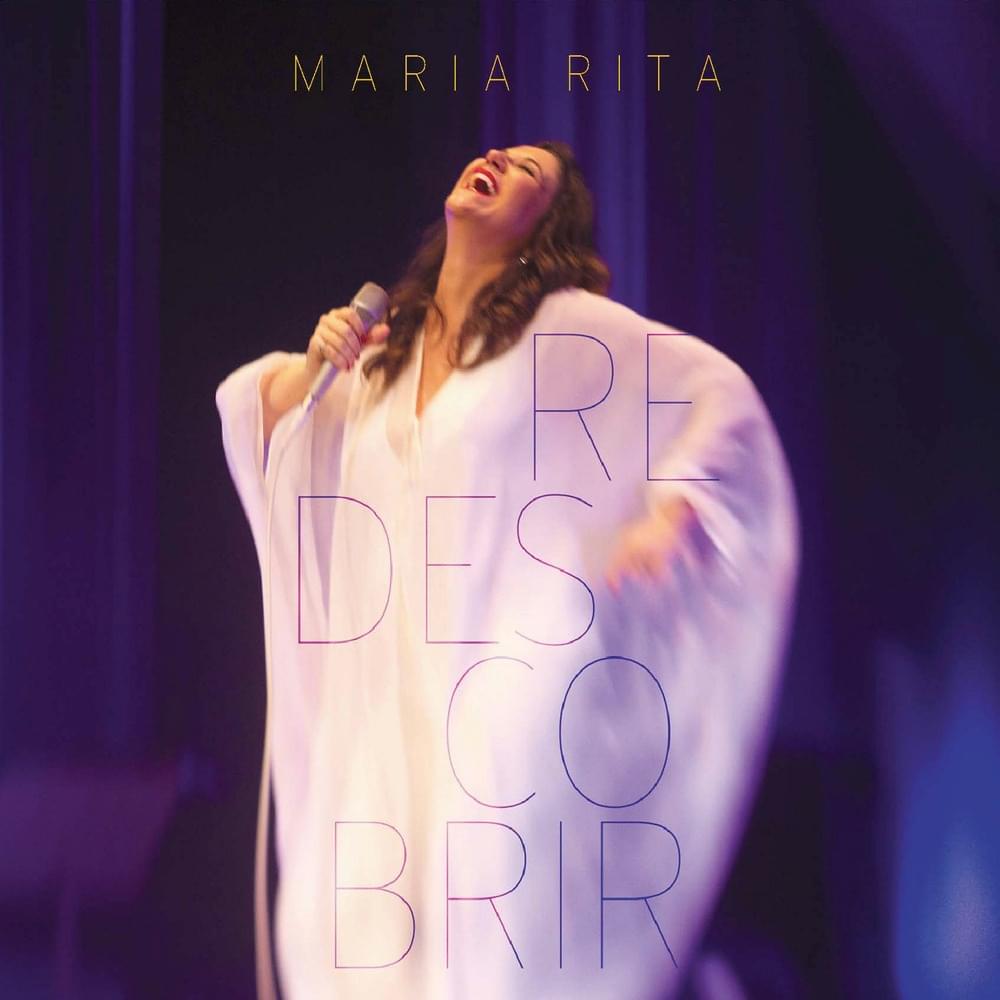
Maria Rita's "Doce de Pimenta" isn't just a song; it's a manifesto of resilient self-reliance, flavored with a uniquely Brazilian blend of philosophical acceptance and fiery defiance. The song's title, translating to "Pepper Sweet," perfectly encapsulates this duality. It's a lyrical exploration of navigating life's inherent contradictions—embracing pleasure while bracing for inevitable pain. The opening lines establish a firm boundary: "I wasn't born to suffer." This isn't naive optimism; it's a conscious decision to reject unnecessary misery, a refusal to perform for sympathy.
Rita's lyrics acknowledge life's inherent challenges, framing existence as a school and death as the ultimate exam. There's a pragmatic acceptance of mortality, a willingness to face even "hell" without cheating. However, she acknowledges that earning "heaven" requires effort, implying a need to actively strive for goodness and meaning. The core of "Doce de Pimenta" lies in its depiction of emotional boundaries. Rita expresses a deep capacity for empathy, stating that nothing can hold her back when someone needs her support. Yet, this generosity is fiercely guarded. The "pimenta" emerges when threatened; if she feels attacked or betrayed, she becomes intensely sharp and defensive.
The recurring lines highlight the tension between her optimistic nature and her tendency to anticipate the worst. This internal conflict adds depth to her character, preventing her from being a simplistic Pollyanna. The weariness she expresses regarding her life as an artist is juxtaposed with the increasing pleasure she derives from it, hinting at a growing mastery and appreciation for her craft. Ultimately, "Doce de Pimenta" is a powerful statement about self-preservation and the importance of setting boundaries in a world that constantly demands our emotional energy. It's a reminder that sweetness and spice can coexist, and that true strength lies in knowing when to offer both.
 View Artist