Song Meaning
Maria Rita's "Cria" isn't just a song; it's a deeply personal meditation on motherhood, time's relentless march, and the cyclical nature of care. The lyrics paint a vivid picture of a child's rapid development, moving from infancy to independence with astonishing speed. Phrases like "Pulou do meu braço" (jumped from my arms) and "Já come feijão" (already eats beans) highlight the bittersweet joy of witnessing a child's growth, coupled with the subtle ache of letting go. The artist beautifully captures this sentiment, acknowledging the child's burgeoning autonomy while still feeling the protective urge to shield them: "A porta da rua fechada / Criança não deixo sair" (The front door closed / Child I won't let out). This isn't mere overprotectiveness; it's a primal instinct battling against the inevitable. It speaks to the universal parental struggle of wanting to nurture and safeguard while simultaneously preparing a child to face the world.
The song's emotional core lies in its exploration of reflection and vulnerability. The lyrics "Reflexo no espelho leva à emoção / A lágrima ameaça do olho cair" (Reflection in the mirror leads to emotion / The tear threatens to fall from the eye) suggest a profound moment of self-awareness. Perhaps Maria Rita sees her own childhood mirrored in her child's experiences, or perhaps she's grappling with the realization that she, too, is aging and evolving. The line "Semente fecundou / Já começa a existir" (Seed fertilized / Already begins to exist) speaks to the miracle of creation and the continuation of life's cycle.
Ultimately, "Cria" transcends the personal and touches upon universal themes of legacy and reciprocity. The powerful declaration "É cria, criatura e criador / Cuida de quem me cuidou / Pega na minha mão e guia" (It is creation, creature and creator / Take care of who took care of me / Take my hand and guide me) encapsulates the song's central message. It acknowledges that the roles of caregiver and cared-for are fluid and interconnected. The child, once dependent, may one day become the caretaker, completing the circle of love and responsibility. The song meaning goes beyond a simple declaration of maternal love, morphing into a poignant recognition of human interconnectedness and the enduring power of family bonds.
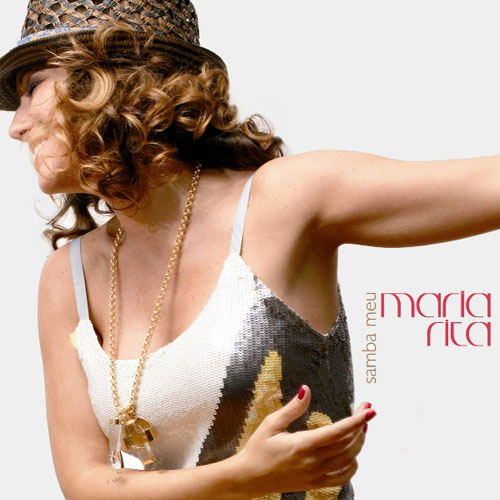
 View Artist