Song Meaning
Maria Rita's "Arrastão" isn't just a breezy samba; it's a concentrated dose of Brazilian cultural DNA. The song's engine is the *arrastão* itself – a fishing technique, a communal effort, and here, a metaphor for life's big pulls. The lyrics immediately immerse us in the scene: boats at sea, a collective endeavor, the end of idleness. But beneath the surface lies a potent blend of syncretism, where Catholic and Afro-Brazilian religious elements intertwine.
The plea to Iemanjá, the Afro-Brazilian sea goddess, is central to understanding the song's deeper currents. The fisherman's request, "É meu irmão me traz Iemanjá prá mim" (My brother, bring Iemanjá to me), is not just a prayer for a bountiful catch. It’s a reaching out to a powerful feminine force, a source of nurturing and protection. Juxtaposed with Santa Bárbara and Nosso Senhor do Bonfim, the song creates a tapestry of faith, reflecting the complex religious landscape of Brazil. The desire to 'marry' Janaína, another name for Iemanjá, further emphasizes the deeply personal connection to the divine feminine.
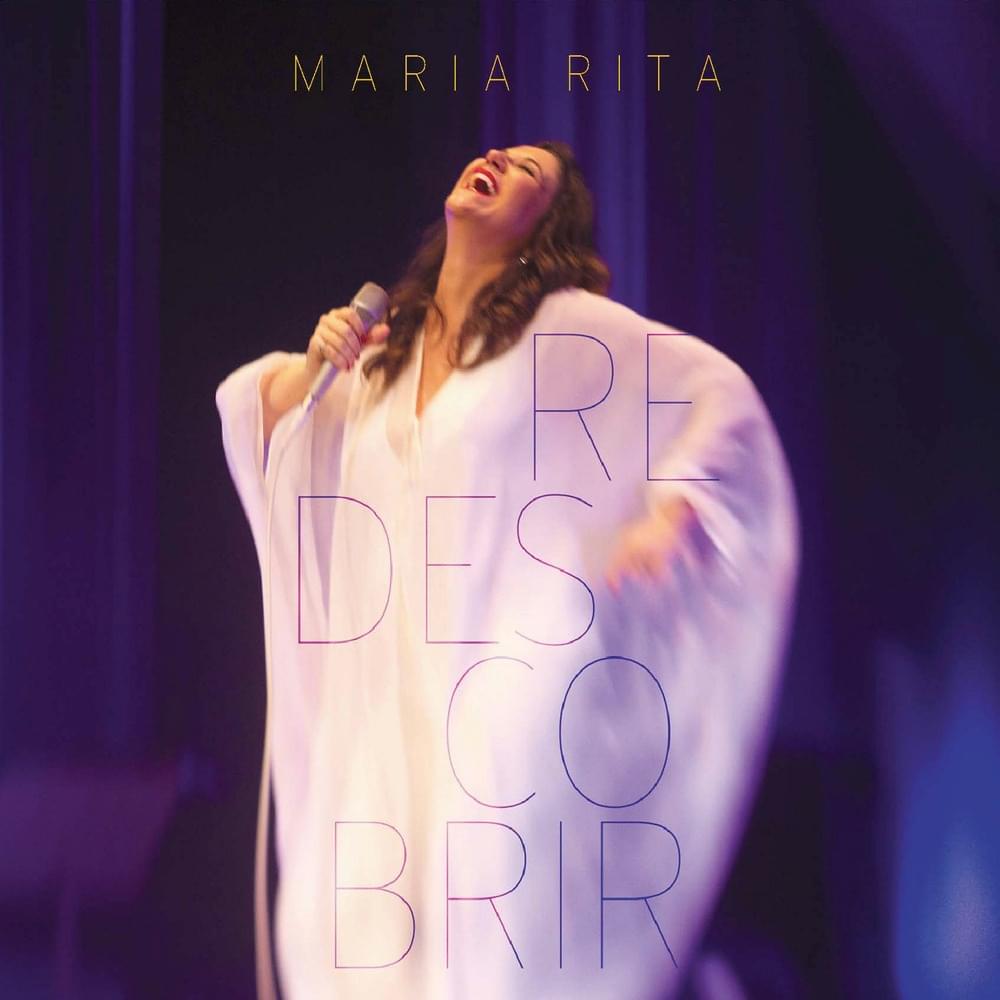
Ultimately, "Arrastão" transcends its literal meaning. It speaks to the power of collective action, the importance of faith, and the enduring strength found in Brazilian cultural heritage. The repetition of "Nunca, jamais se viu tanto peixe assim" (Never, ever has so much fish been seen) suggests abundance, not just in the material sense, but also in the spiritual and emotional realms. Maria Rita, through her interpretation, reminds us that even the simplest activities, like fishing, can be imbued with profound meaning and cultural significance.
 View Artist