Song Meaning
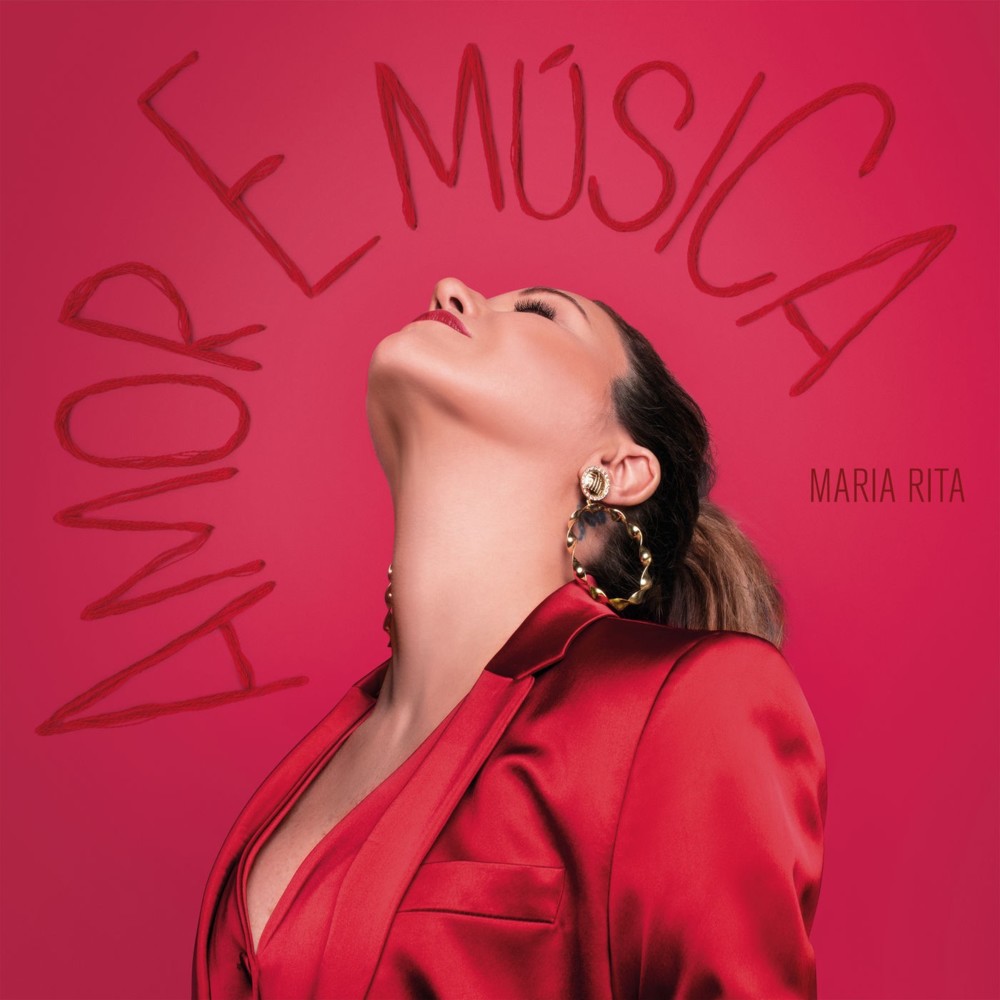
Maria Rita's "Amor e Música" unfolds as a delicate meditation on the intertwined nature of love and art. The song opens with the crystalline sounds of a piano, immediately establishing a sense of hope and possibility. These "good signs" suggest a belief in the potential for love, a sentiment cautiously expressed with the phrase "se não me engano" ("if I'm not mistaken"). This repeated phrase adds a layer of vulnerability, hinting at past disappointments or a fear of misplaced trust. The image of a hummingbird flitting into view further enhances the feeling of lightness and wonder, reinforcing the idea that love can be found in unexpected moments and places.
The lyrics then delve into the complexities of human nature, acknowledging the inherent duality within us all. A person is simultaneously "perdão e o pecado" ("forgiveness and sin"), highlighting the precarious balance between good and evil, safety and danger. This recognition of inherent risk adds a layer of depth to the song's exploration of love. The warning to be careful not to get lost suggests that love, while beautiful, can also be disorienting and overwhelming. The heart, the lyrics say, must both have and not have reason, implying that love requires both emotional openness and a degree of caution.
The song resolves in a celebration of the harmonious blend of love and music. The instruction to "toca nesse tom que é bom à beça" ("play in this tone that is very good") suggests that music has the power to amplify and enhance the experience of love. The lyrics state that time itself seems to slow down when immersed in this harmonious state. The repeated line, "Toca sempre nessa mesma tecla / Mescla de amor e música" ("Always play the same key / Mix of love and music"), emphasizes the cyclical and enduring nature of this connection, suggesting that love and music are inseparable and timeless forces.
 View Artist