Song Meaning
Maria Muldaur's "Lonesome Desert Blues" isn't just a song; it's a stark, sun-baked landscape of heartbreak. The opening lines establish a brutal asymmetry in relationships: while base, material things adhere, human connection proves tragically fragile. This sets the stage for a classic blues lament, but Muldaur infuses it with a particularly raw, almost desperate energy. The woman in this song isn't just sad; she's actively unraveling. The "triflin'" man and his late-night rendezvous are the catalysts, but the "lonesome desert blues" themselves represent a deeper, existential ache. It's a feeling of abandonment so profound it transforms the emotional self into a barren, inhospitable place.
The desert, then, becomes both a destination and a metaphor. A physical escape to the "western land" promises a kind of purgative suffering, a burning away of troubles in the "burnin' sand." But it's also an internal landscape, a reflection of the singer's parched emotional state. The image of her mind as a "row boat out on the stormy sea" is particularly striking. It captures the feeling of being adrift, buffeted by unpredictable forces, with no clear destination or control. The repetition of "Oh Lord" serves as both a plea for divine intervention and a recognition of her own powerlessness in the face of overwhelming emotional turmoil.
Ultimately, “Lonesome Desert Blues” is a visceral exploration of vulnerability and the search for solace in the face of betrayal. The singer's "nervous" shaking and burning sensation aren't just symptoms of sadness; they're manifestations of a deeper psychological crisis. Muldaur doesn't offer easy answers or resolutions. Instead, she leaves us with a portrait of a woman grappling with the raw, elemental forces of love, loss, and the desperate need for escape, even if that escape leads only to the desolate beauty of the desert.
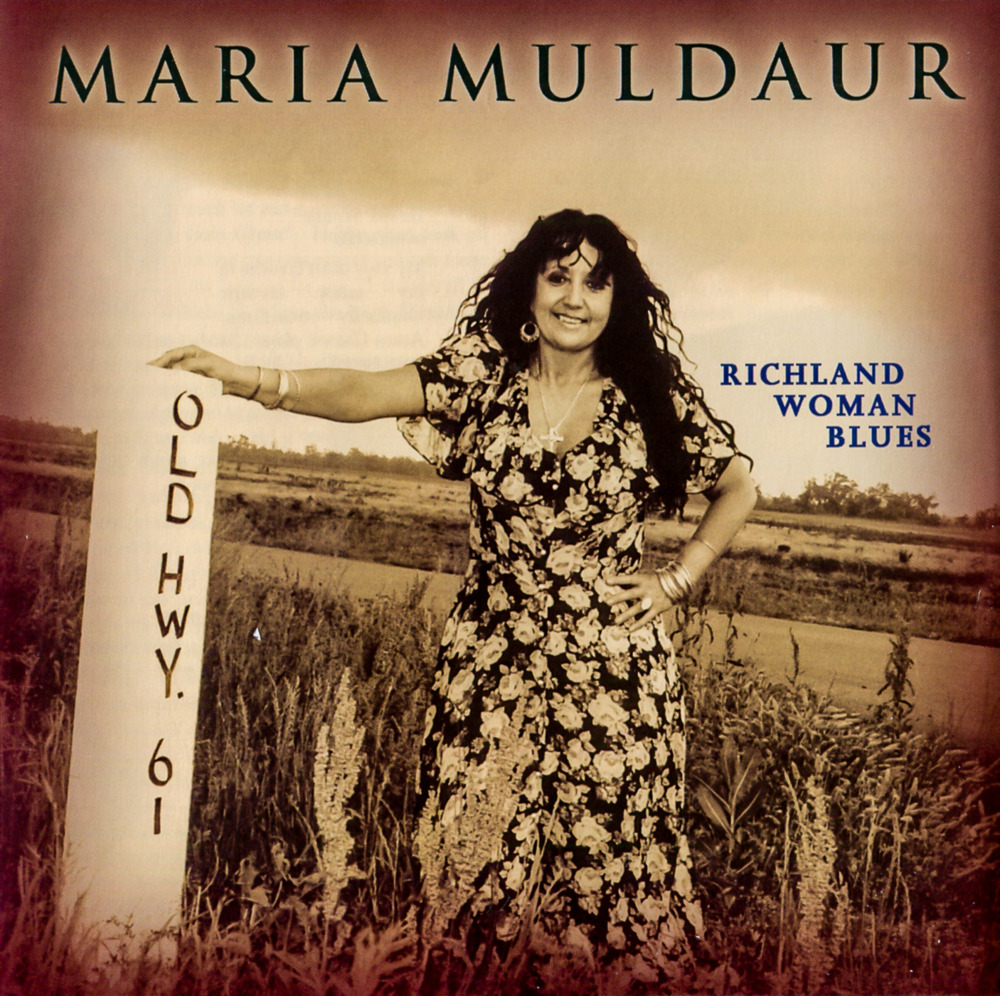
 View Artist