Song Meaning
The narrator casts her mind back to a time of youthful naivete and hardship. The opening lines paint a picture of a clandestine encounter, a "man" appearing mysteriously "through the window." This sets a tone of vulnerability and perhaps a touch of illicit excitement, quickly followed by the recurring refrain, "I didn't know no better, oh boys, in my girlish days." This phrase anchors the narrative in a past where innocence dictated her actions.
The core tension arises from the consequences of these "girlish days." Her parents' distress, "Mama cried, papa did too," highlights a perceived shame or transgression. This shame propels her into a life on the move, "hit the highway, flagged me a truck," and later a train, seeking escape from a stifling "old home." The stark reality of her situation is underscored by the harshness of the "winter was tough" and the desperation of having "didn't have a dime."
The most striking element is the subtle shift in perspective and the final twist. The narrator acknowledges her past ignorance with "I didn't know no better," a phrase repeated with a sense of resignation. However, the final verse introduces a crucial change: "Now I know better." This newfound wisdom is coupled with a surprising embrace of her past self, "And I still got, oh, my girlish ways." It suggests that while she's learned from her experiences, she hasn't entirely shed the spirit of those formative, perhaps reckless, years.
This lyrical structure is effective because it builds a narrative of regret and escape, only to subvert expectations at the very end. The repetition of "I didn't know no better" creates a sense of a past burden, but the final declaration, "Now I know better / And I still got, oh, my girlish ways," offers a complex resolution. It’s not a simple tale of overcoming hardship, but rather an acceptance of how those experiences, even the regrettable ones, shaped who she is today, retaining a core part of that youthful spirit.
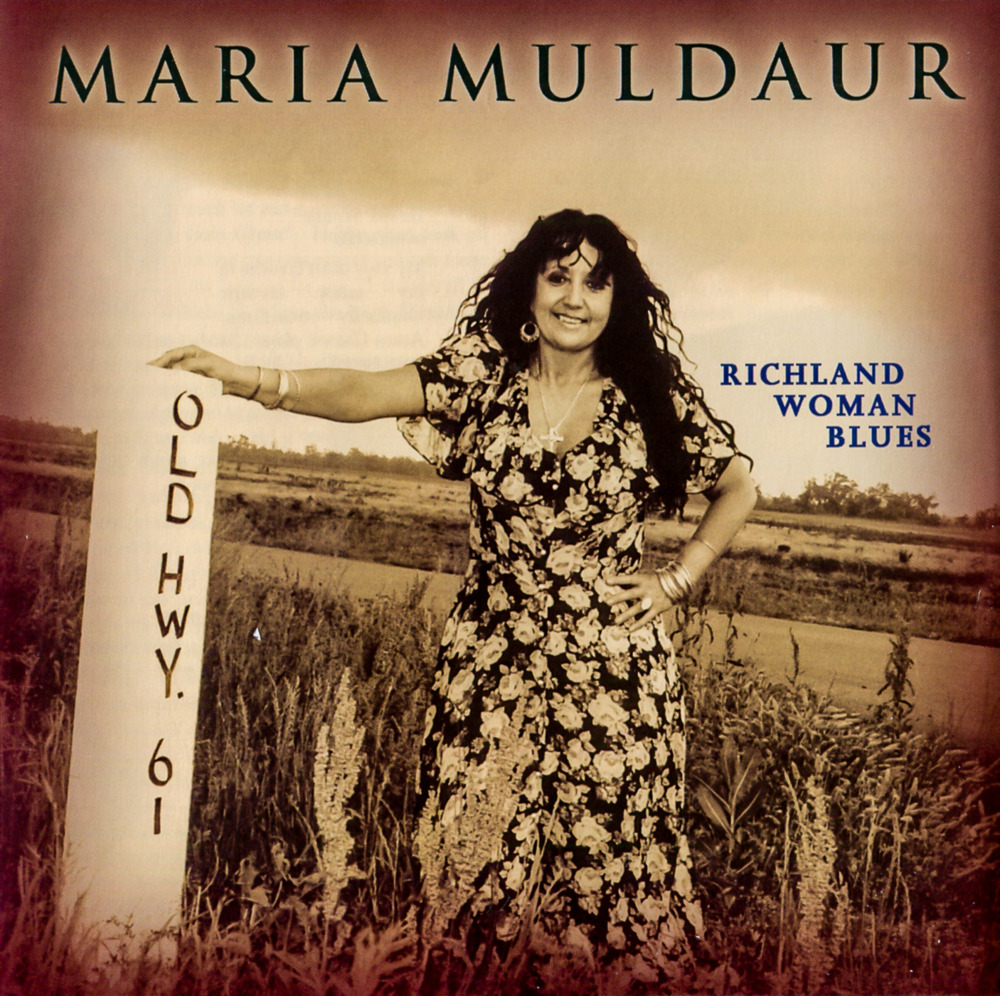
 View Artist