Song Meaning
María José’s plea in "Acaríciame" isn't a simple request for affection; it's a raw, exposed nerve of desire bordering on desperation. The lyrics pulse with a paradoxical need – a craving for both tenderness and a destructive, all-consuming passion. It's the kind of love that blurs the line between pleasure and pain, where being "killed slowly" is not a threat, but an invitation. The repetition of "Acaríciame" (Caress me) becomes a mantra, a hypnotic demand echoing the singer's vulnerability and intense longing. This isn't about gentle romance; it’s about a visceral, almost primal connection. The song lyrics suggest a yearning to be both possessed and cherished, dominated yet cared for. This speaks to the complicated nature of human desire, especially female desire, which often gets reduced to simple binaries.
The duality within "Acaríciame" highlights a fascinating tension. The singer begs for a touch as "soft as the air" and as "strong as a hurricane," indicating a simultaneous need for gentleness and overwhelming force. This contrast isn’t accidental; it's central to understanding the song's meaning. It speaks to the push-pull dynamic within intense relationships, where vulnerability and power intertwine. The request to be robbed "like a diamond" and dominated "like a lover" further emphasizes this theme, painting a picture of a love that is both precious and potentially destructive. The phrase "no tengas miedo a hacerme daño amor" (don't be afraid to hurt me, love) is particularly striking, suggesting a willingness to surrender completely to the experience, regardless of the potential consequences.
Ultimately, the song meaning hinges on the idea of complete surrender and uninhibited passion. The singer wants to be consumed by the other person's touch, to be infected by their "locura" (madness) and to feel truly alive in the throes of physical and emotional intimacy. The final repetition of “Acaríciame” without other qualifications underscores the core desire: not necessarily for love, safety, or even happiness, but for the raw, undeniable sensation of being touched, felt, and truly seen, even if it means risking everything in the process. María José taps into something deeply human here – the sometimes-dangerous allure of losing oneself in another.
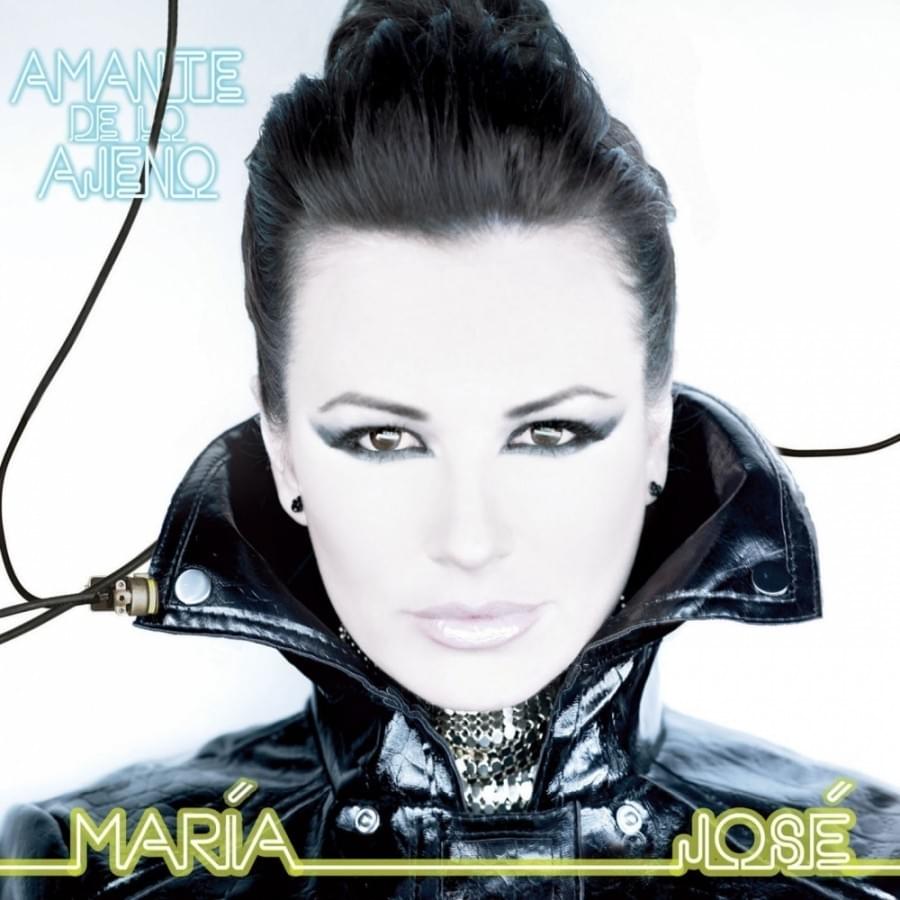
 View Artist